Русский
 English
 عربي
عربي
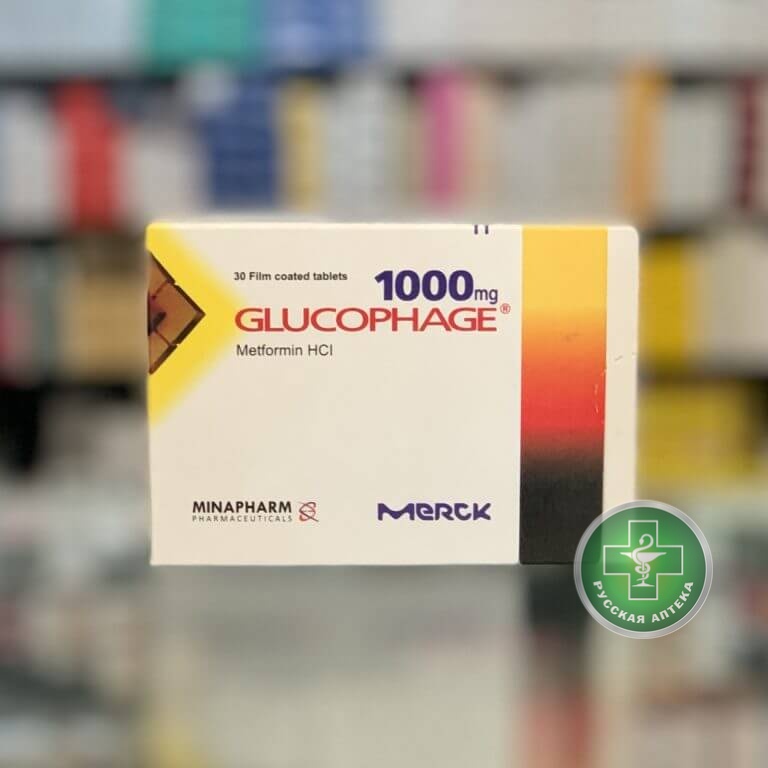
Glucophage 1000 mg 30 tablets
54£
View analogsType 2 diabetes mellitus, especially in obese patients, with the ineffectiveness of diet therapy and physical activity:
– in adults as monotherapy or in combination with other oral hypoglycemic drugs, or with insulin;
– in children from 10 years of age as monotherapy or in combination with insulin.
Prevention of type 2 diabetes mellitus in prediabetic patients with additional risk factors for type 2 diabetes mellitus in whom lifestyle changes have not achieved adequate glycemic control.
Buy
Product quantities
Form of Release: Tablets
Product Brand:
Minapharm Pharmaceuticals
About the brand
Product Categories: Diabetes


Glucophage 1000 mg 30 tablets
Compound:
Each tablet contains:
Metformin hydrochloride 1000 mg
Auxiliary components:
povidone K30, magnesium stearate.
The composition of the film shell: pure opadry (hypromellose, macrogol 400, macrogol 8000).
Properties:
Metformin reduces hyperglycemia without causing hypoglycemia. Unlike sulfonylurea derivatives, it does not stimulate insulin secretion and does not have a hypoglycemic effect in healthy individuals.
Increases the sensitivity of peripheral receptors to insulin and the utilization of glucose by cells. Reduces the production of glucose by the liver by inhibiting gluconeogenesis and glycogenolysis. Delays the absorption of glucose in the intestine.
Metformin stimulates glycogen synthesis by acting on glycogen synthase. Increases the transport capacity of all types of membrane glucose carriers.
Indications:
Type 2 diabetes mellitus, especially in obese patients, with the ineffectiveness of diet therapy and physical activity:
– in adults as monotherapy or in combination with other oral hypoglycemic drugs, or with insulin;
– in children from 10 years of age as monotherapy or in combination with insulin.
Prevention of type 2 diabetes mellitus in prediabetic patients with additional risk factors for type 2 diabetes mellitus in whom lifestyle changes have not achieved adequate glycemic control.
Dosage and administration:
Apply inside.
Adults:
Monotherapy and combination therapy in combination with other oral hypoglycemic agents in type 2 diabetes mellitus.
The usual initial dose is 500 mg or 850 mg 2-3 times / day after or during meals.
Every 10-15 days, it is recommended to adjust the dose based on the results of changes in the concentration of glucose in the blood plasma. A slow increase in dose helps to reduce side effects from the gastrointestinal tract.
The maintenance dose of the drug is usually 1500-2000 mg / day. To reduce side effects from the gastrointestinal tract, the daily dose should be divided into 2-3 doses. The maximum dose is 3000 mg / day, divided into 3 doses.
Contraindications:
– hypersensitivity to metformin or to any excipient;
-diabetic ketoacidosis, diabetic precoma, coma;
– renal failure or impaired renal function (CC less than 45 ml / min);
– acute conditions that occur with a risk of developing impaired renal function: dehydration (with diarrhea, vomiting), severe infectious diseases, shock;
– clinically pronounced manifestations of acute or chronic diseases that can lead to the development of tissue hypoxia (including acute heart failure, chronic heart failure with unstable hemodynamic parameters, respiratory failure, acute myocardial infarction);
– extensive surgical operations and injuries (when insulin therapy is indicated);
– liver failure, liver dysfunction;
-chronic alcoholism, acute alcohol poisoning;
-pregnancy;
– lactic acidosis (including history);
– use for a period of less than 48 hours before and within 48 hours after radioisotope or X-ray studies with the introduction of an iodine-containing contrast agent;
– Compliance with a hypocaloric diet (<1000 kcal/day).
Precautionary measures:
The risk of developing lactic acidosis should be taken into account when non-specific signs appear, such as muscle cramps, accompanied by dyspeptic disorders, abdominal pain and severe asthenia. Lactic acidosis is characterized by acidotic dyspnea, abdominal pain, and hypothermia followed by coma.
Patients with heart failure have a higher risk of developing hypoxia and renal failure.
Patients with chronic heart failure should regularly monitor cardiac and renal function while taking metformin.
Reception of metformin in heart failure with unstable hemodynamic parameters is contraindicated.
Side effects:
Metabolic and nutritional disorders:
Very rarely – lactic acidosis. With long-term use of metformin, there may be a decrease in the absorption of vitamin B12.
Nervous system disorders:
Often – a violation of taste.
Gastrointestinal disorders:
Very often – nausea, vomiting, diarrhea, abdominal pain, lack of appetite.
Skin and subcutaneous tissue disorders:
Very rarely – skin reactions such as erythema, itching, rash.
Liver and biliary tract disorders:
Very rarely – a violation of liver function and hepatitis.
Storage method:
Store at a temperature not exceeding 30 degrees. In a dry place.
Package:
The cardboard box contains 3 blisters of 10 tablets, paper instructions.
Tags, Keywords:
Active Ingredients:
No comments yet. Be the first to write one.
Your comment will be published after moderation.
You’ll receive a notification to your email when someone replies.