Русский
 English
 عربي
عربي

Amaryl 4 mg 30 tablets
108£
View analogsTreating type 2 diabetes when diet, exercise, and weight loss fail to control blood sugar levels.
Buy
Product quantities
Form of Release: Tablets
Product Brand:
Sanofi Egypt
About the brand
Product Categories: Diabetes


Amaryl 4 mg 30 tablets
Composition:
Each tablet contains:
Glimepiride – 4mg.
Auxiliary components:
lactose monohydrate, starch sodium gluconate, magnesium stearate, microcrystalline cellulose, povidone (25000), indigo carmine (El 32).
Properties:
Amaryl is an oral medication to lower blood sugar levels. This medicine belongs to a group of drugs for lowering blood sugar called sulfonylurea derivatives. The drug increases the amount of insulin released from the pancreas. Insulin then lowers blood sugar levels.
Indications:
treating some form of diabetes (type 2 diabetes) when diet, exercise, and weight loss are unable to control blood sugar.
Mode of application:
Inside, before or with the first main meal
(usually breakfast). It is important not to skip meals when you are taking Amaryl. The dose will depend on your needs, condition and blood sugar and urine test results and will be determined by your doctor. Do not take more tablets than your doctor tells you. The usual starting dose is 1 tablet of Amaryl, 1 mg once a day. If necessary, according to the doctor’s prescription, it is possible to increase the dose after every 1-2 weeks of treatment. The maximum recommended dose is 6 mg per day. If you forget to take a pill, you do not need to take a double dose.
Contraindications:
Type 1 diabetes mellitus; diabetic ketoacidosis, diabetic precoma and coma; severe violations of liver and kidney function, incl. patients on hemodialysis (lack of clinical experience of use); pregnancy, lactation; childhood; rare hereditary diseases such as galactose intolerance, lactase deficiency or glucosegalactose malabsorption; hypersensitivity to drug components or other sulfonylurea derivatives.
Precautions:
In the first weeks of treatment, the risk of hypoglycemia may increase, which requires particularly careful monitoring of the blood glucose concentration. Patients with glucose6-phosphate dehydrogenase deficiency should be particularly careful when prescribing glimepiride. Hypoglycemia can be quickly resolved with immediate intake of rapidly absorbing carbohydrates (glucose or sucrose), but may return. In case of severe hypoglycemia, immediate treatment and medical supervision or even hospitalization are additionally required. During treatment with glimepiride, regular monitoring of liver and blood function (especially the number of leukocytes and platelets) is required.
Side effects:
Symptoms of hypoglycemia – headache, hunger, nausea, vomiting, fatigue, drowsiness, sleep disturbances, anxiety, aggressiveness, impaired concentration, confusion, speech disorders, visual disturbances, tremors, sensory disturbances, loss of self-control, cerebral cramps, drowsiness or loss of consciousness up to coma, shallow breathing, bradycardia. The clinical picture of severe hypoglycemia may resemble a stroke. Symptoms of hypoglycemia almost always disappear after its elimination. A temporary change in the swelling of the lens, depending on the concentration of glucose in the blood, and due to this, a change in the refractive index of the lens. Nausea, vomiting, feeling of heaviness or fullness in the epigastrium, abdominal pain, diarrhea; hepatitis, cholestasis and jaundice, which can progress to lifethreatening liver failure. Hemolytic anemia. Itching, urticaria, skin rash. If symptoms of hives develop, you should see a doctor immediately.
Storage:
Store at a temperature not exceeding 30C in the original packaging, out of reach of children.
Packaging:
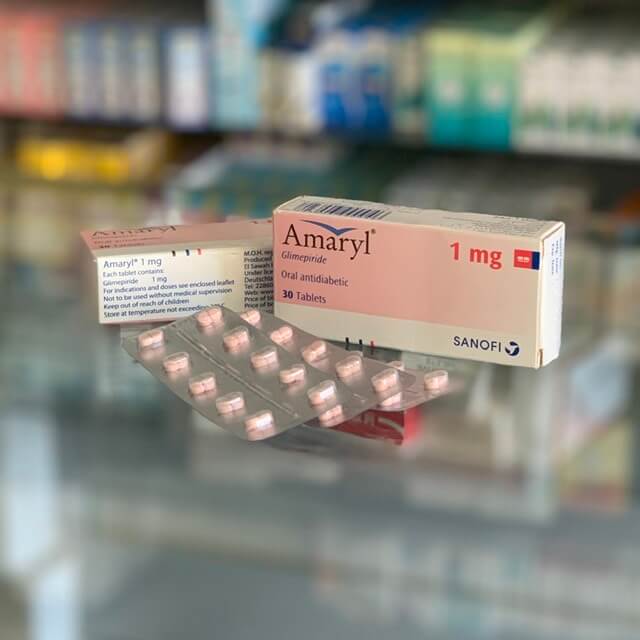
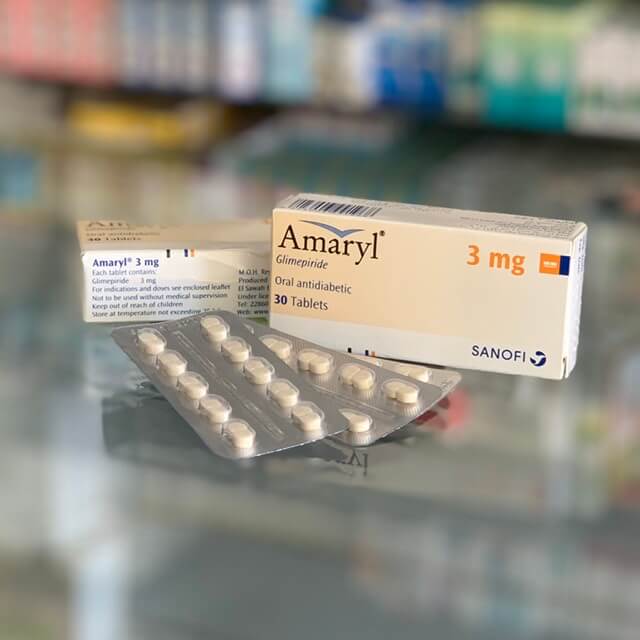
The cardboard box contains 1, 2 or 3 blisters of 10 tablets each, paper instructions
Tags, Keywords:
Active Ingredients:
No comments yet. Be the first to write one.
Your comment will be published after moderation.
You’ll receive a notification to your email when someone replies.