 Русский
 English
 عربي
عربي



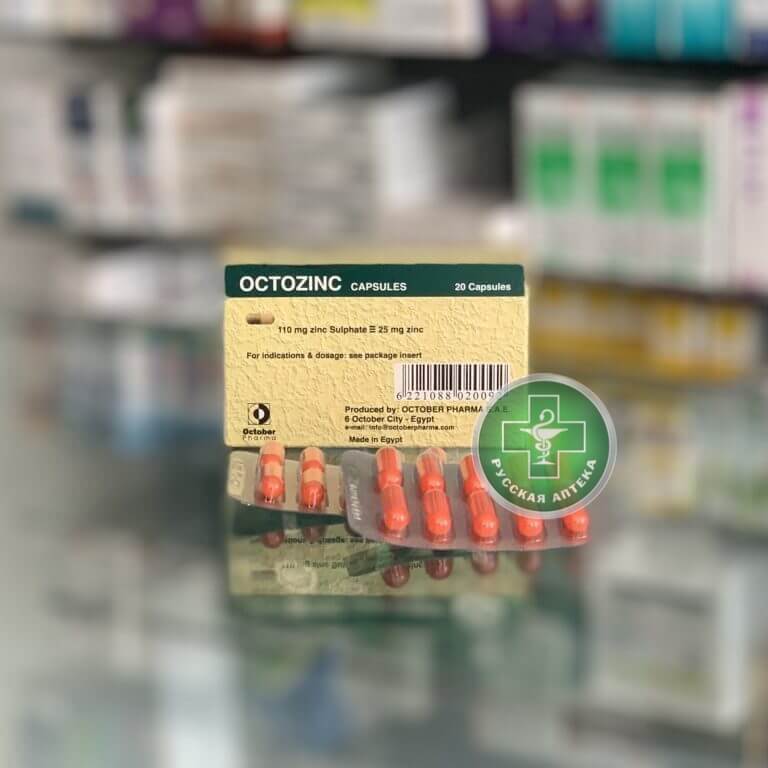
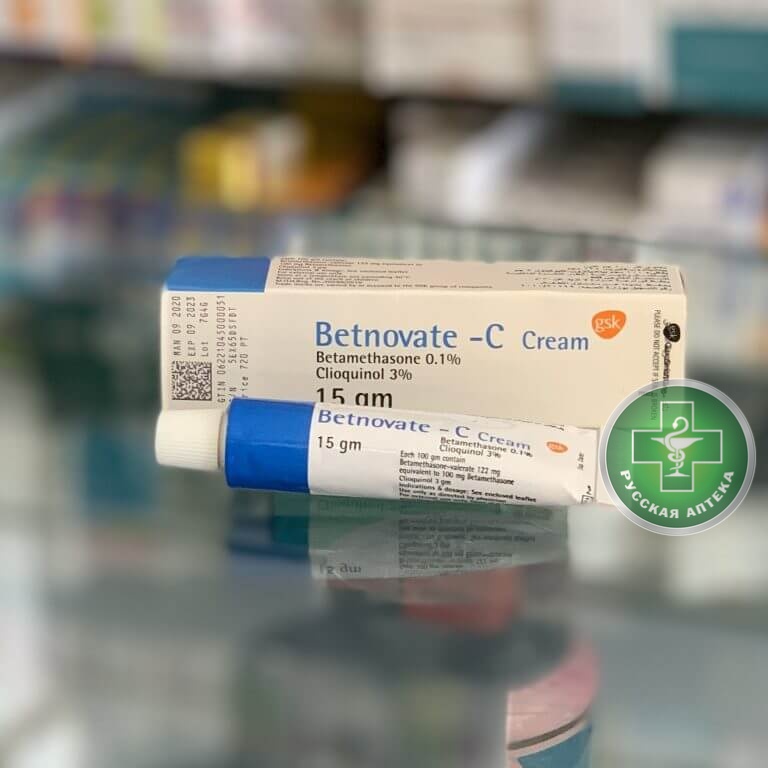
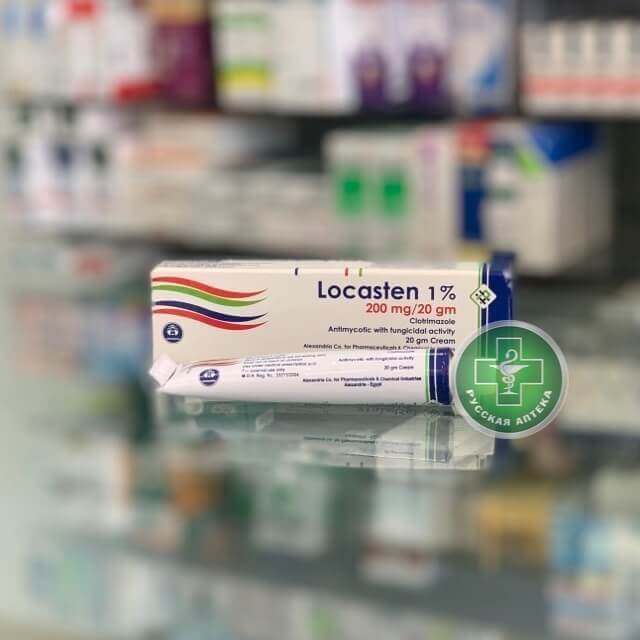

КАК ИЗБАВИТЬСЯ ОТ АКНЕ?
Акне — это распространённая проблема, с которой можно столкнуться в любом возрасте. Если вы ищете эффективные средства от акне или хотите узнать, как быстро избавиться от прыщей, наша статья вам поможет.
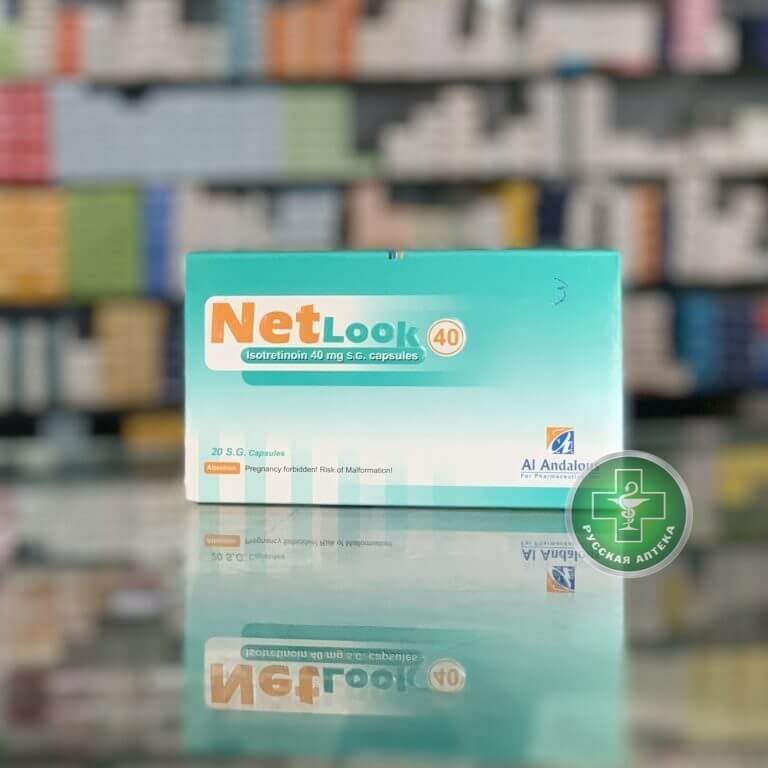
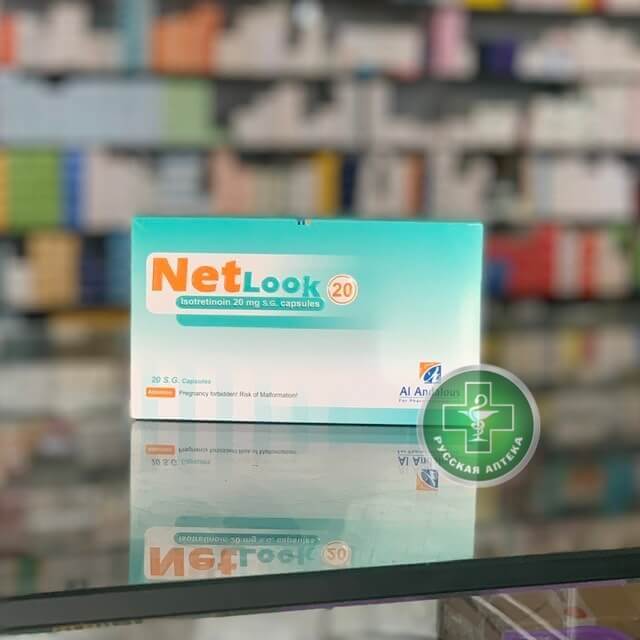
For oral administration: severe forms of acne (nodular-cystic, conglobate, acne with the risk of scarring); acne that is not amenable to other types of therapy.
Form of Release: Capsules
Product Brand:
ِAlandalous pharmaceutical
About the brand
Product Categories: Dermatology • Anti-acne medicines internal and external


Isotretinoin 40 mg
Auxiliary components: yellow beeswax, hydrogenated soybean oil, partially hydrogenated soybean oil, refined soybean oil;
capsule shell: gelatin, glycerol, dry substance Karion, mannitol, hydrogenated hydrolyzed starch, titanium dioxide.
Pharmacological action – anti-inflammatory, anti-seborrheic, dermatoprotective, A-vitaminlike, anti-acne.
It normalizes the terminal differentiation of cells, inhibits the proliferation of the epithelium of the ducts of the sebaceous glands, the formation of detritus, facilitates its evacuation. Reduces production and facilitates sebum production.
When taken orally, absorption is variable, bioavailability is low and variable; taking with food increases bioavailability by 2 times. Tmax
– 2-4 hours. Binding to blood plasma proteins (mainly albumin) – 99.9%. It is metabolized to form three main biologically active metabolites – 4-oxo-isotretinoin (the main metabolite), tretinoin and 4-oxo-retinoin, as well as less significant metabolites, which also include glucuronides. Since isotretinoin and tretinoin are reversibly converted into each other in vivo, the metabolism of tretinoin is associated with the metabolism of isotretinoin. 20-30% of the dose of isotretinoin is metabolized by isomerization. Enterohepatic circulation may play a significant role in the pharmacokinetics of isotretinoin in humans. In vitro studies have shown that isoenzymes CYP2C8, CYP2C9 are involved in the metabolism of isotretinoin, CYP3A4 and CYP2B6 of cytochrome P450. Tl
/ 2 of isotretinoin – 19 hours, 4-oxo-isoretinoin – 29 hours. It is excreted by the kidneys and with bile in approximately equal amounts.
For oral administration: severe forms of acne (nodular-cystic, conglobate, acne with the risk of scarring); acne that is not amenable to other types of therapy.
The optimal dosage regimen is selected by the doctor after the examination.
It is taken orally with meals, the initial dose is 0.5 mg / kg per day, which is divided into two parts, it is applied for 16 to 24 weeks. Usually, patients take 0.5-10 mg / kg / day.
In case of damage to the trunk or severe course of the disease – 2 mg / kg per day. In severe chronic renal failure, the initial dose should be reduced to 10 mg per day.
Depending on the severity of adverse reactions and / or response to treatment, the dose is adjusted. If within 16 – 24 weeks the number of rashes has decreased by 70% or more, then the therapy is stopped. A repeated course of treatment is carried out upon confirmation of a recurrent or persistent course of the disease with an interval of at least 2 months.
Hypersensitivity, for oral administration:
pregnancy, established or planned (teratogenic and embryotoxic effects are possible), breastfeeding period, hepatic failure, hypervitaminosis A, severe hyperlipidemia, concomitant tetracyclines therapy.
During therapy, it is necessary to control the level of lipids, glucose, and liver function. Patients with diabetes mellitus are recommended to carry out more frequent monitoring of blood glucose.
Women of reproductive age should use reliable contraceptive measures 4 weeks before, during and within 1 month after the end of treatment. If pregnancy occurs, it should be terminated for medical reasons.
In case of colitis, visual impairment and symptoms of pseudotumor of the brain, treatment is stopped. If a pseudotumor of the brain is suspected, a neurological examination is performed.
Isotretinoin should not be prescribed to patients receiving other drugs from the retinoid group (to avoid hypervitaminosis A).
It is necessary to avoid increased sun exposure, incl. UV therapy. With isotretinoi treatment, there may be a decrease in the tolerance of contact lenses. Patients wearing contact lenses should wear glasses in case of eye side effects.
From the nervous system and sensory organs: excessive fatigue, headache, increased intracranial pressure (pseudotumor of the brain: headache, nausea, vomiting, visual impairment, swelling of the optic nerve), seizures, xerophthalmia, isolated cases of visual impairment, photophobia, violation of dark adaptation (decreased acuity of twilight vision);
From the digestive tract: dryness of the oral mucosa, bleeding from the gums, inflammation of the gums, nausea, diarrhea, inflammatory bowel disease (colitis, ileitis), bleeding, pancreatitis;
From the hematopoietic system: anemia, decreased hematocrit, leukopenia, neutropenia, increase or decrease in the number of platelets, accelerated ESR.
On the part of the respiratory system: rarel bronchospasm (more often in patients with history of bronchial asthma).
From the side of the musculoskeletal system: muscle pain with or without increased serum CPK levels, joint pain, hyperostosis, arthritis, calcification of ligaments and tendons, tendonitis;
At a temperature not higher than 30 degrees. In a dry place.
The cardboard box holds 1, 2, 3 or 10 blisters of 10 capsules.
Active Ingredients:
No comments yet. Be the first to write one.
Your comment will be published after moderation.
You’ll receive a notification to your email when someone replies.

Акне — это распространённая проблема, с которой можно столкнуться в любом возрасте. Если вы ищете эффективные средства от акне или хотите узнать, как быстро избавиться от прыщей, наша статья вам поможет.
Our hotline
+2 (010) 202-22-271
Email for contact
[email protected]
Our pharmacies are in
Wide range of products
Help you choose


