 Русский
 English
 عربي
عربي


КАК ИЗБАВИТЬСЯ ОТ АКНЕ?
Акне — это распространённая проблема, с которой можно столкнуться в любом возрасте. Если вы ищете эффективные средства от акне или хотите узнать, как быстро избавиться от прыщей, наша статья вам поможет.
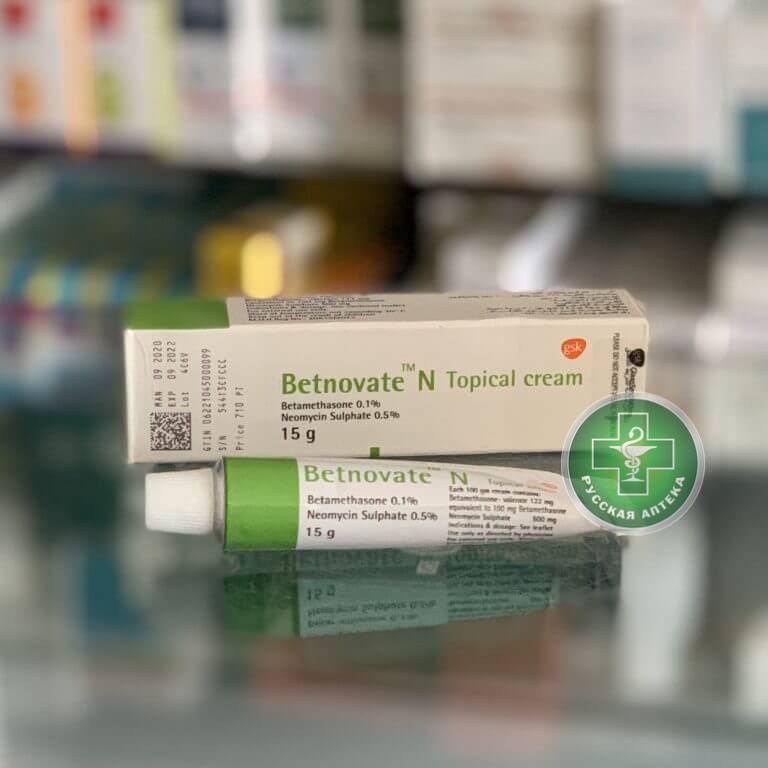
Skin diseases amenable to GCS therapy: atopic dermatitis / neurodermatitis, allergic contact dermatitis, eczema (various forms), contact dermatitis (including occupational) and other non-allergic dermatitis (including solar and radiation dermatitis), reactions to insect bites, psoriasis , bullous dermatoses, discoid lupus erythematosus, lichen planus, exudative erythema multiforme, pruritus of various etiologies, erythroderma.
Form of Release: Cream
Product Brand:
GlaxoSmithKline
About the brand


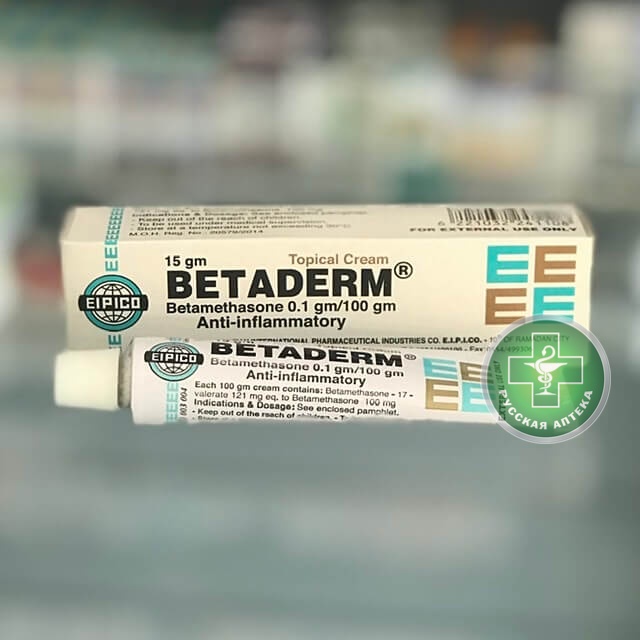
Each gram of cream contains:
Betamethasone 0.122%
Neomycin sulfate 0.5%
Auxiliary components: Chloroskresol, cetamacrogol, white paraffin, phosphate acid, sodium hydroxide, purified water.
Betamethasone dipropionate is a synthetic GCS. It has anti-inflammatory, antipruritic, anti-allergic, vasoconstrictor, anti-exudative and antiproliferative effects. When applied to the surface of the skin, it narrows blood vessels, relieves itching, reduces the release of inflammatory mediators (from eosinophils and mast cells), interleukins 1 and 2, interferon gamma (from lymphocytes and macrophages), inhibits activity and reduces the permeability of the vascular wall. Interacts with specific receptors in the cytoplasm of the cell, stimulates the synthesis of matrix ribonucle acid, which induces the formation of proteins, including lipocortin, that mediate cellular
effects. Lipocortin inhibits phospholipase A2, blocks the release of arachidonic acid and the biosynthesis of endoperoxides, prostaglandins, leukoproteins (contributing to the development of inflammation, allergies and other pathological processes). Aminoglycoside antibiotic. Violates protein synthesis, suppressing the formation of a complex of transport and messenger RNA. In low concentrations it has a bacteriostatic effect (due to a violation of protein synthesis in microbial cells), in high concentrations it has a bactericidal effect (damages the cytoplasmic membranes of a microbial cell). Penetrates into a microbial cell, binds to specific proteinsreceptors on the 30S ribosome subunit. Violates the formation of a complex of transport and messenger RNA (30S ribosome subunit) and stops protein synthesis. In low concentrations it has a bacteriostatic effect (due to a violation of protein synthesis in microbial cells), in high concentrations it has a bactericidal effect (damages the cytoplasmic membranes of a microbial cell). Penetrates into a microbial cell, binds to specific proteinsreceptors on the 30S ribosome subunit. Violates the formation of a complex of transport and messenger RNA (30S riboso subunit) and stops protein synthesis. In low concentrations it has a bacteriostatic effect
(due to a violation of protein synthesis in microbial cells), in high concentrations it has a bactericidal effect (damages the cytoplasmic membranes of a microbial cell). Penetrates into a microbial cell, binds to specific proteinsreceptors on the 30S ribosome subunit. Violates the formation of a complex of transport and messenger RNA (30S ribosome subunit) and stops protein synthesis.
Skin diseases amenable to GCS therapy: atopic dermatitis / neurodermatitis, allergic contact dermatitis, eczema (various forms), contact dermatitis (including occupational) and other non-allergic dermatitis (including solar and radiation dermatitis), reactions to insect bites, psoriasis , bullous dermatoses, discoid lupus erythematosus, lichen planus, exudative erythema multiforme, pruritus of various etiologies, erythroderma.
On average, the cream is used 1-2 times a day for 7 days.
Hypersensitivity, bacterial (skin tuberculosis, skin manifestations of syphilis), fungal, viral (chickenpox, herpes simplex) skin diseases, post-vaccination skin reactions, open wounds, trophic ulcers of the leg, rosacea, acne vulgaris, skin cancer, nevus, atheroma, melanoma , hemangioma, xanthoma, sarcoma, children under 1 year of age, breastfeeding period.
Long-term use of the drug on the skin of the face is not recommended, since rosacea, perioral dermatitis and acne may develop. The course of treatment should not exceed 5 days. The medicinal product is not intended for use in ophthalmology. Avoid contact with eyes. If the drug gets on the mucous membranes of the eye, it is possible to develop cataracts, glaucoma, fungal infections of the eye and exacerbation of herpes infection. With prolonged treatment, when applied to extensive skin surfaces, as well as in the armpits and groin folds, when using occlusive dressings, diapers, systemic absorption of is possible.
Skin and subcutaneous tissue disorders:
itching, burning, irritation, dry skin, folliculitis, hypertrichosis, striae, acne-like rashes (“steroid” acne), hypopigmentation, perioral dermatitis, allergic contact dermatitis, skin maceration, secondary infection, skin atrophy, local hirsutism, telangiectasia, prickly heat, purpura.
On the part of laboratory parameters: hyperglycemia, glucosuria.
From the side of the organ of vision: blurred vision.
Others: reversible suppression of the adrenal cortex function, manifestation of ItsenkoCushing’s syndrome.
At a temperature not higher than 30 degrees.
The cardboard box holds a 15 gram tube.
Tags, Keywords:
Active Ingredients:
No comments yet. Be the first to write one.
Your comment will be published after moderation.
You’ll receive a notification to your email when someone replies.

Акне — это распространённая проблема, с которой можно столкнуться в любом возрасте. Если вы ищете эффективные средства от акне или хотите узнать, как быстро избавиться от прыщей, наша статья вам поможет.
Our hotline
+2 (010) 202-22-271
Email for contact
[email protected]
Our pharmacies are in
Wide range of products
Help you choose


