Русский
 English
 عربي
عربي

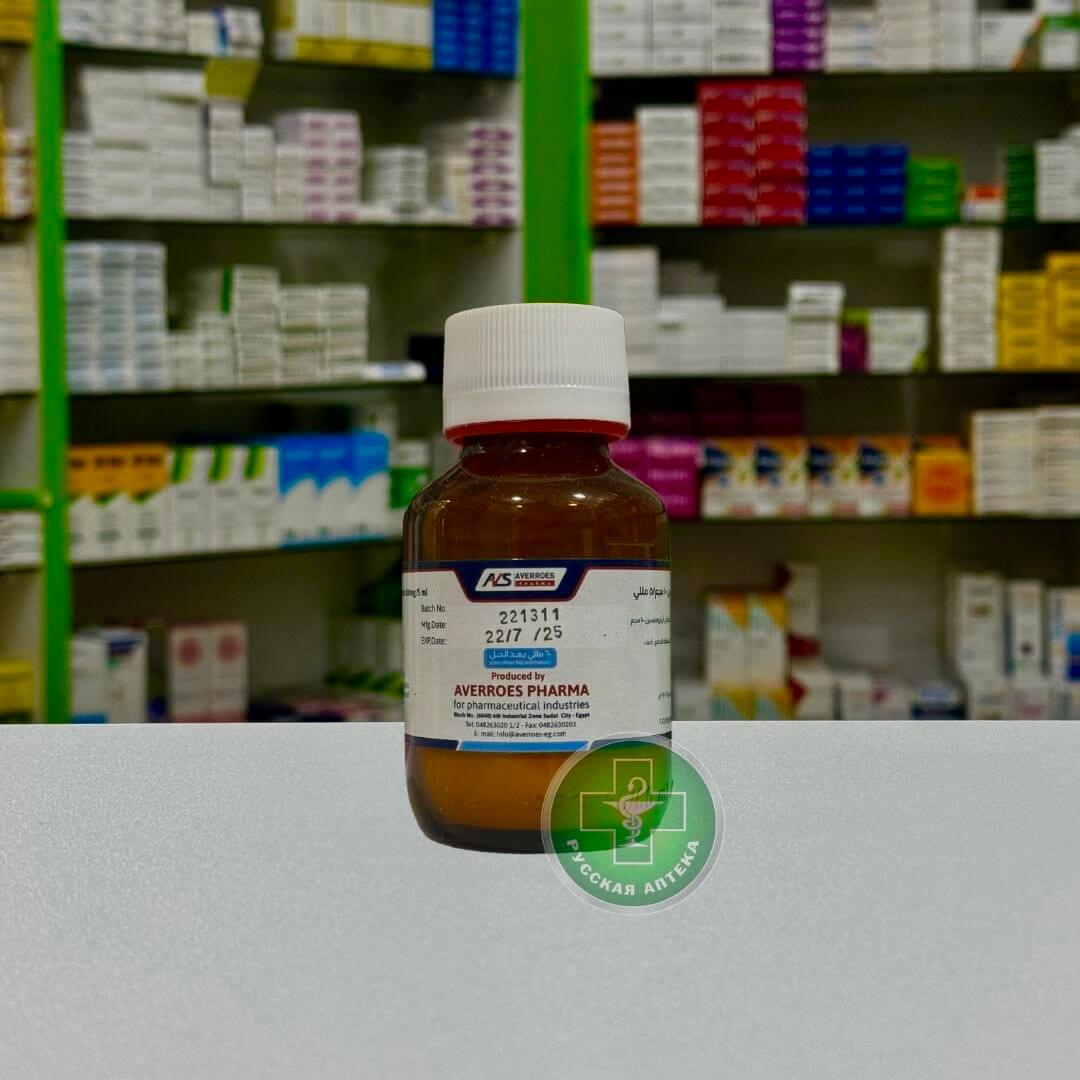
Zithrodose 100 mg / 5 ml Powder for Oral Suspension 60 ml
62£
View analogs- Treatment of mild to moderate infectious and inflammatory diseases caused by azithromycin-susceptible microorganisms:
- ENT and Upper Respiratory Tract Infections: Acute bacterial sinusitis, pharyngitis, tonsillitis, acute otitis media (in pediatric patients >6 months).
- Lower Respiratory Tract Infections: Acute bacterial exacerbations of chronic bronchitis, community-acquired pneumonia.
- Skin and Soft Tissue Infections: Uncomplicated skin and skin structure infections (caused by S. aureus, S. pyogenes, or S. agalactiae).
- Sexually Transmitted Infections: Uncomplicated urethritis and cervicitis (caused by C. trachomatis or N. gonorrhoeae), chancroid in men (H. ducreyi).
Form of Release: Suspension
Product Brand:
Averroes Pharma
About the brand
Product Categories: Antibiotics • Broad spectrum antibiotics • Antibiotics for bronchitis • Antibiotics for otitis


Zithrodose 100 mg / 5 ml Powder for Oral Suspension 60 ml
Composition:
Each 5 ml of reconstituted suspension contains:
Active Ingredient:
Azithromycin dihydrate 104.8 mg, equivalent to azithromycin 100 mg.
Excipients:
Aspartame, flavorings, stabilizing agents, and structuring excipients.
Product Description:
Zithrodose (azithromycin) is a broad-spectrum macrolide (azalide) antibacterial agent.
It exerts bactericidal and bacteriostatic actions by binding to the 50S ribosomal subunit of susceptible microorganisms, thereby inhibiting bacterial protein synthesis.
It is active against a wide range of Gram-negative, Gram-positive, anaerobic, and intracellular pathogens, including Streptococcus pneumoniae, Haemophilus influenzae, Moraxella catarrhalis, Streptococcus pyogenes, Staphylococcus aureus, Chlamydia trachomatis, Mycoplasma pneumoniae, Chlamydophila pneumoniae, Neisseria gonorrhoeae, and Haemophilus ducreyi.
Indications for Use:
- Treatment of mild to moderate infectious and inflammatory diseases caused by azithromycin-susceptible microorganisms:
- ENT and Upper Respiratory Tract Infections: Acute bacterial sinusitis, pharyngitis, tonsillitis, acute otitis media (in pediatric patients >6 months).
- Lower Respiratory Tract Infections: Acute bacterial exacerbations of chronic bronchitis, community-acquired pneumonia.
- Skin and Soft Tissue Infections: Uncomplicated skin and skin structure infections (caused by S. aureus, S. pyogenes, or S. agalactiae).
- Sexually Transmitted Infections: Uncomplicated urethritis and cervicitis (caused by C. trachomatis or N. gonorrhoeae), chancroid in men (H. ducreyi).
Method of Administration and Dosage:
- Administered orally once daily, with or without food.
- Pediatric Patients (Acute Otitis Media, Sinusitis, Pneumonia):
3-Day Regimen: 10 mg/kg once daily for 3 days.
5-Day Regimen: 10 mg/kg on Day 1, followed by 5 mg/kg once daily on Days 2 through 5. - Single-Dose Regimen (Acute Otitis Media): 30 mg/kg as a single dose.
- Pediatric Patients (Pharyngitis/Tonsillitis): 12 mg/kg once daily for 5 days.
- Reconstitution Instructions: Add distilled water up to the mark on the bottle (recommended to add water in two portions, shaking well after each addition).
- Shake well before each use.
Contraindications:
- Known hypersensitivity to azithromycin, erythromycin, any macrolide or ketolide drug, or any excipients in the formulation.
- Phenylketonuria (contains aspartame).
- History of cholestatic jaundice or hepatic dysfunction associated with prior use of azithromycin.
- Patients with severe pneumonia who are inappropriate for oral therapy due to moderate to severe illness or risk factors (e.g., cystic fibrosis, nosocomial infections, confirmed or suspected bacteremia, hospitalization, elderly/debilitated state, or significant underlying immunodeficiency/asplenia).
Precautions:
- Discontinue treatment immediately at the first sign of allergic reactions (e.g., angioedema, anaphylaxis).
- Hepatotoxicity (including hepatitis, cholestatic jaundice, hepatic necrosis, and hepatic failure) has been reported; discontinue use if signs of hepatitis occur.
- Clostridium difficile-associated diarrhea (CDAD) has been reported and may range in severity from mild diarrhea to fatal colitis.
- Use with caution in patients with myasthenia gravis (exacerbation of symptoms or new-onset myasthenic syndrome may occur).
- Infantile hypertrophic pyloric stenosis (IHPS) has been reported following azithromycin use in neonates (treatment up to 42 days of life).
Adverse Reactions / Side Effects:
- Gastrointestinal: Diarrhea, nausea, vomiting, abdominal pain, flatulence, dyspepsia, constipation, anorexia, gastritis, oral candidiasis, tongue discoloration, and rarely pseudomembranous colitis or pancreatitis.
- Hepatic/Biliary: Elevated liver enzymes, cholestatic jaundice, hepatitis, hepatic necrosis, and liver failure.
- Nervous System: Headache, dizziness, somnolence, seizures, hyperkinesia, agitation, nervousness, insomnia, and paresthesia.
- Cardiovascular & Hematologic: Leukopenia, anemia, thrombocytopenia.
- Allergic & Dermatologic: Rash, pruritus, urticaria, facial edema, angioedema, anaphylaxis, and erythema multiforme.
- Genitourinary: Interstitial nephritis, acute renal failure, and vaginitis.
- Other: Fever, fatigue, fungal infections, cough, rhinitis, and conjunctivitis.
Pregnancy and Lactation:
Pregnancy:
Use during pregnancy only if clearly needed and the potential maternal benefit outweighs the potential risk to the fetus.
Lactation:
Azithromycin is excreted in human milk.
Exercise caution, or consider discontinuing breastfeeding during treatment.
Storage Conditions:
Store the dry powder at temperatures not exceeding 30°C in a dry place.
Reconstituted suspension must be stored between 2°C and 8°C (refrigerated) and used within 10 days.
Keep out of reach of children.
Packaging:
Cardboard box containing a bottle with powder for oral suspension (60 ml when reconstituted) and a patient information leaflet.
Tags, Keywords:
Active Ingredients:
No comments yet. Be the first to write one.
Your comment will be published after moderation.
You’ll receive a notification to your email when someone replies.