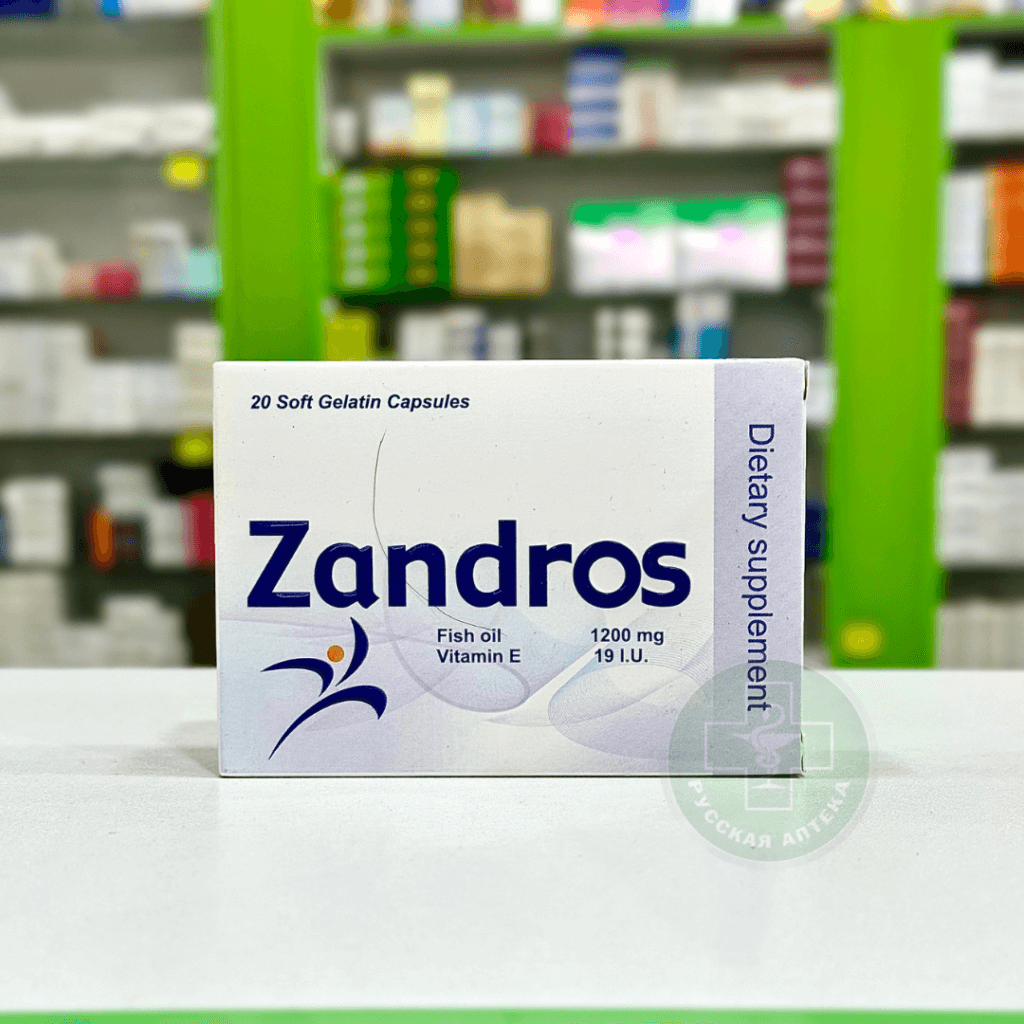
No Uric 300 mg 20 tablets
Composition:
Each tablet contains:
Allopurinol 300 mg
Auxiliary components:
lactose monohydrate (milk sugar), microcrystalline cellulose, sodium carboxymethyl starch (primogel), food gelatin, magnesium stearate, colloidal silicon dioxide (aerosil).
Properties:
A drug that disrupts the synthesis of uric acid.
It is a structural analogue of hypoxanthine. Inhibits the enzyme xanthine oxidase, which is involved in the conversion of hypoxanthine to xanthine and xanthine to uric acid. This is due to a decrease in the concentration of uric acid and its salts in body fluids and urine, which contributes to the dissolution of existing ur deposits and prevents their formation in tissues and kidneys. When allopurinol is taken, the urinary excretion of hypoxanthine and xanthine increases.
Indications:
Treatment and prevention of gout and hyperuricemia of various origins (including in combination with nephrolithiasis, renal failure, urate nephropathy). Recurrent mixed calcium oxalate kidney stones in the presence of hyperuricosuria. Increased formation of urates due to enzyme disorders. Prevention of acute nephropathy with cytostatic and radiation therapy of tumors and leukemias, as well as with complete medical fasting.
Method of administration and dosage:
The optimal dosage regimen is determined by the doctor. The compliance of the used dosage form of a particular drug with indications for use and dosage regimen should be strictly observed.
Set individually, under the control of the concentration of urate and uric acid in the blood and urine. Adults when taken orally 100-900 mg / day, depending on the severi of the disease. The frequency of administra is 2-4 times / day after meals. Children under 15 years of age – 10-20 mg / kg / dav or 100400 mg / day.
Maximum doses: for impaired renal function (including those caused by urate nephropathy) – 100 mg / day. An increase in the dose is possible in cases when, against the background of the therapy, an increased concentration of urates in the blood and urine remains.
Children under 15:
Take 10-20 mg / kg for the formula. The maximum daily dose for children is 400 mg.
Contraindications:
Severe liver and / or kidney dysfunction, pregnancy, lactation, hypersensitivity to allopurinol.
Precautions:
Allopurinol should be used with caution in case of impaired liver and / or kidney function (in both cases, a dose reduction is required), hypothyroidism. In the initial period of the course of therapy with allopurinol, a systematic assessment of liver function indicators is
necessary.
During the period of treatment with allopurinol, the daily amount of fluid consumed should be at least 2 liters (under the control of diuresis).
At the beginning of the course of treatment for gout, an exacerbation of the disease may occur. For prevention, you can use NSAlDs or colchicine (0.5 mg 3 times / day). It should be borne in mind that with adequate therapy with allopurinol, large urate stones may dissolve in the renal pelvis and then enter the ureter.
Side effects:
Allergic reactions: skin rash, hyperemia, itching; in some cases – angioimmunoblastic lymphadenopathy, arthralgia, fever, eosinophilia, fever, Stevens-Johnson syndrome, Lyell’s syndrome.
Dermatological reactions: in isolated cases furunculosis, alopecia, hair discoloration.
On the part of the digestive system: possibl dyspeptic symptoms (including nausea, vomiting), diarrhea, transient increase in the activity of transaminases in the blood serum; rarely – hepatitis; in isolated cases – stomatitis, liver dysfunction (transient increase in the activity of transaminases and alkaline phosphatase), steatorrhea.
From the side of the central nervous system and peripheral nervous system: in isolated cases – weakness, fatigue, headache, dizziness, ataxia, drowsiness, depression, coma, paresis, paresthesia, convulsions, neuropathy, visual impairment, cataracts, changes in the papilla of the optic nerve, disturbances in taste sensations.
Storage method:
Store at a temperature less than 30 C.
Packaging:
The cardboard box contains 2 blisters of 10 tablets, paper instructions.
 Русский
 English
 عربي
عربي