Русский
 English
 عربي
عربي

Xilone Forte 15 mg/5 ml Syrup 100 ml
69£
View analogsSystemic connective tissue diseases:
- Systemic lupus erythematosus;
- Scleroderma;
- Polyarteritis nodosa;
- Dermatomyositis;
- Rheumatoid arthritis.
Acute and chronic inflammatory joint diseases:
- Gouty and psoriatic arthritis;
- Osteoarthritis (including post-traumatic);
- Polyarthritis;
- Scapulohumeral periarthritis;
- Ankylosing spondylitis (Bechterew's disease);
- Rheumatoid arthritis, including juvenile rheumatoid arthritis;
- Still's syndrome in adults;
- Bursitis;
- Nonspecific tenosynovitis;
- Synovitis;
- Epicondylitis;
- Acute rheumatism, acute rheumatic carditis;
- Bronchial asthma.
Acute and chronic allergic diseases, including:
- Allergic reactions to medicines and food products;
- Serum sickness;
- Urticaria;
- Allergic rhinitis;
- Drug-induced exanthema;
- Pollinosis and others.
Skin diseases:
- Pemphigus;
- Psoriasis;
- Eczema;
- Atopic dermatitis (diffuse neurodermatitis);
- Contact dermatitis (affecting a large surface area of the skin);
- Toxidermia;
- Seborrheic dermatitis;
- Exfoliative dermatitis;
- Toxic epidermal necrolysis (Lyell's syndrome);
- Bullous herpetiform dermatitis;
- Stevens-Johnson syndrome.
- Cerebral edema (only after confirmation of symptoms of increased intracranial pressure by magnetic resonance imaging or computed tomography), caused by a brain tumor and/or associated with surgery or radiation therapy, following parenteral administration of prednisolone.
Allergic eye diseases:
- Allergic forms of conjunctivitis.
Inflammatory eye diseases:
- Sympathetic ophthalmia;
- Severe indolent anterior and posterior uveitis;
- Optic neuritis;
- Primary or secondary adrenal insufficiency (including the condition following adrenalectomy). The drugs of choice are hydrocortisone or cortisone; when necessary, synthetic analogues may be used in combination with mineralocorticoids; the addition of mineralocorticoids is particularly important in children.
Diseases of the blood and hematopoietic system:
- Agranulocytosis;
- Panmyelopathy;
- Autoimmune hemolytic anemia;
- Lymphoid and myeloid leukemias;
- Hodgkin's lymphoma;
- Thrombocytopenic purpura;
- Secondary thrombocytopenia in adults;
- Erythroblastopenia (erythrocytic anemia);
- Congenital (erythroid) hypoplastic anemia.
Interstitial lung diseases:
- Acute alveolitis;
- Pulmonary fibrosis;
- Stage II–III sarcoidosis.
- Tuberculous meningitis, pulmonary tuberculosis, aspiration pneumonia (in combination with specific chemotherapy).
- Berylliosis, Loeffler's syndrome (unresponsive to other therapy), lung cancer (in combination with cytostatics).
- Multiple sclerosis.
Gastrointestinal diseases:
- Ulcerative colitis;
- Crohn's disease;
- Regional enteritis.
- Hepatitis.
- Prevention of graft rejection following organ transplantation.
- Hypercalcemia associated with malignant diseases.
- Multiple myeloma.
- Congenital adrenal hyperplasia.
- Kidney diseases of autoimmune origin (including acute glomerulonephritis); nephrotic syndrome (including that associated with lipoid nephrosis).
- Subacute thyroiditis.
Buy
Product quantities
Form of Release: Syrup
Product Brand:
European Egyptian Pharmaceutical Industry
About the brand
Product Categories: Painkillers, anti-inflammatory • Steroidal anti-inflammatory drugs


Xilone Forte 15 mg/5 ml Syrup 100 ml
Compound:
Each 5 ml contains:
Prednisolone 15 mg
Auxiliary components:
Sodium dihydrogen polysorbitol, disodium edatate, methyl dihydroxybenzoate, sorbitol, raspberry flavor, purified water.
Properties:
Prednisolone is a synthetic glucocorticoid drug, a dehydrated analogue of hydrocortisone. It has anti-inflammatory, anti-allergic, immunosuppressive, anti-shock effects, increases the sensitivity of β-adrenergic receptors to endogenous catecholamines.
Indications:
Systemic connective tissue diseases:
– systemic lupus erythematosus; scleroderma; nodular periarteritis; dermatomyositis; rheumatoid arthritis.
Acute and chronic inflammatory diseases of the joints:
-gouty and psoriatic arthritis; osteoarthritis (including post-traumatic); polyarthritis; humeroscapular periarthritis; ankylosing spondylitis (Bekhterev’s disease); rheumatoid arthritis, incl. juvenile rheumatoid arthritis; Still’s syndrome in adults; bursitis; nonspecific tendosynovitis; synovitis; epicondylitis.
Acute rheumatism, acute rheumatic heart disease.
Bronchial asthma.
Acute and chronic allergic diseases, including:
-allergic reactions to drugs and food; serum sickness; hives; allergic rhinitis; medicinal exanthema; pollinosis, etc.
Skin diseases:
-pemphigus; psoriasis; eczema; atopic dermatitis (common neurodermatitis); contact dermatitis (with damage to a large surface of the skin); toxidermia; seborrheic dermatitis; exfoliative dermatitis; toxic epidermal necrolysis (Lyell’s syndrome); bullous dermatitis herpetiformis; Stevens-Johnson syndrome.
Cerebral edema (only after confirmation of symptoms of increased intracranial pressure by magnetic resonance or computed tomography), due to a brain tumor and / or associated with surgery or radiation therapy, after parenteral use of prednisolone.
Allergic eye diseases:
– allergic forms of conjunctivitis.
Inflammatory eye diseases:
– sympathetic ophthalmia; severe sluggish anterior and posterior uveitis; optic neuritis.
Primary or secondary adrenal insufficiency (including condition after removal of the adrenal glands). The drugs of choice are hydrocortisone or cortisone; if necessary, synthetic analogues can be used in combination with mineralocorticosteroids; especially important is the addition of mineralocorticosteroids in children.
Congenital adrenal hyperplasia.
Kidney diseases of autoimmune origin (including acute glomerulonephritis); nephrotic syndrome (including against the background of lipoid nephrosis).
Subacute thyroiditis.
Diseases of the blood and the hematopoietic system: agranulocytosis; panmyelopathy; autoimmune hemolytic anemia; lympho- and myeloid leukemia; lymphogranulomatosis; thrombocytopenic purpura; secondary thrombocytopenia in adults; erythroblastopenia (erythrocytic anemia); congenital (erythroid) hypoplastic anemia.
Interstitial lung disease: acute alveolitis; pulmonary fibrosis; sarcoidosis stage II-III.
Tuberculous meningitis, pulmonary tuberculosis, aspiration pneumonia (in combination with specific chemotherapy).
Berylliosis, Leffler’s syndrome (not amenable to other therapy), lung cancer (in combination with cytostatics).
Multiple sclerosis.
Gastrointestinal diseases:
ulcerative colitis; Crohn’s disease; local enteritis.
Hepatitis.
Prevention of transplant rejection in organ transplantation. Hypercalcemia against the background of oncological diseases.
Myeloma.
Dosage and administration:
The drug is taken orally.
The dose and duration of treatment is selected by the doctor on an individual basis, depending on the indications and severity of the disease. The selection of the dose and duration of treatment is determined depending on the individual response to therapy.
It is recommended to take the entire daily dose of the drug once or twice a daily dose – every other day, taking into account the circadian rhythm of endogenous GCS secretion in the range from 6 to 8 in the morning. The daily dose of the drug should be taken after meals (breakfast). A high daily dose can be divided into 2-4 doses, while in the morning you should take a large dose.
In acute conditions and as replacement therapy, adults are prescribed an initial dose of 20-30 mg / day, the maintenance dose is 5-10 mg / day. If necessary, the initial dose may be 15-100 mg / day, maintaining 5-15 mg / day.
For children aged 3 years and older, the initial dose is 1-2 mg / kg of body weight per day in 4-6 doses, the maintenance dose is 0.3-0.6 mg / kg / day.
Contraindications:
– hypersensitivity to prednisolone or to any of the excipients;
-lactase deficiency, lactose intolerance, glucose-galactose malabsorption;
– systemic mycosis;
– simultaneous use of live and attenuated vaccines with immunosuppressive doses of the drug;
virus-induced eye infection
mustache of herpes simplex (due to the risk of corneal perforation);
– period of breastfeeding;
-Children’s age up to 3 years.
Precautionary measures:
Since the complications of prednisolone therapy depend on the dose and duration of treatment, in each case, based on the analysis of the benefit-risk ratio, a decision is made on the need for such treatment, and the duration of treatment and frequency of administration are also determined.
The lowest dose of prednisolone should be used, providing a sufficient therapeutic effect, if necessary, dose reduction should be carried out gradually.
Side effects:
On the part of the organ of vision: glaucoma, papilledema.
From the digestive system: an unpleasant aftertaste in the mouth, dyspepsia, esophageal candidiasis, nausea, vomiting.
From the side of the kidneys and urinary system: increased risk of urates, uroliths.
Storage method:
Store at a temperature not exceeding 25 degrees.
Package:
The carton box holds a 100 ml glass bottle.
Tags, Keywords:
- steroidal anti-inflammatory drugs
- systemic lupus erythematosus
- dermatomyositis
- arthritis
- arthritis pain
- Rheumatoid Arthritis Treatment
- rheumatoid arthritis
- arthritis
- psoriatic arthritis
- osteoarthritis
- polyarthritis
- ankylosing spondylitis
- bechterew’s disease
- bursitis
- rheumatism
- rheumatism (acute form)
- bronchial asthma
- urticaria
- allergic rhinitis
- rhinitis
- rhinitis with allergies
- rhinitis prophylaxis
- drug exanthema
- pollinosis
- psoriasis
- psoriasis treatment
- psoriasis treatment
- psoriasis remedy
- eczema
- eczema treatment
- dermatitis
- dermatitis
Active Ingredients:
No comments yet. Be the first to write one.
Your comment will be published after moderation.
You’ll receive a notification to your email when someone replies.
Related Products




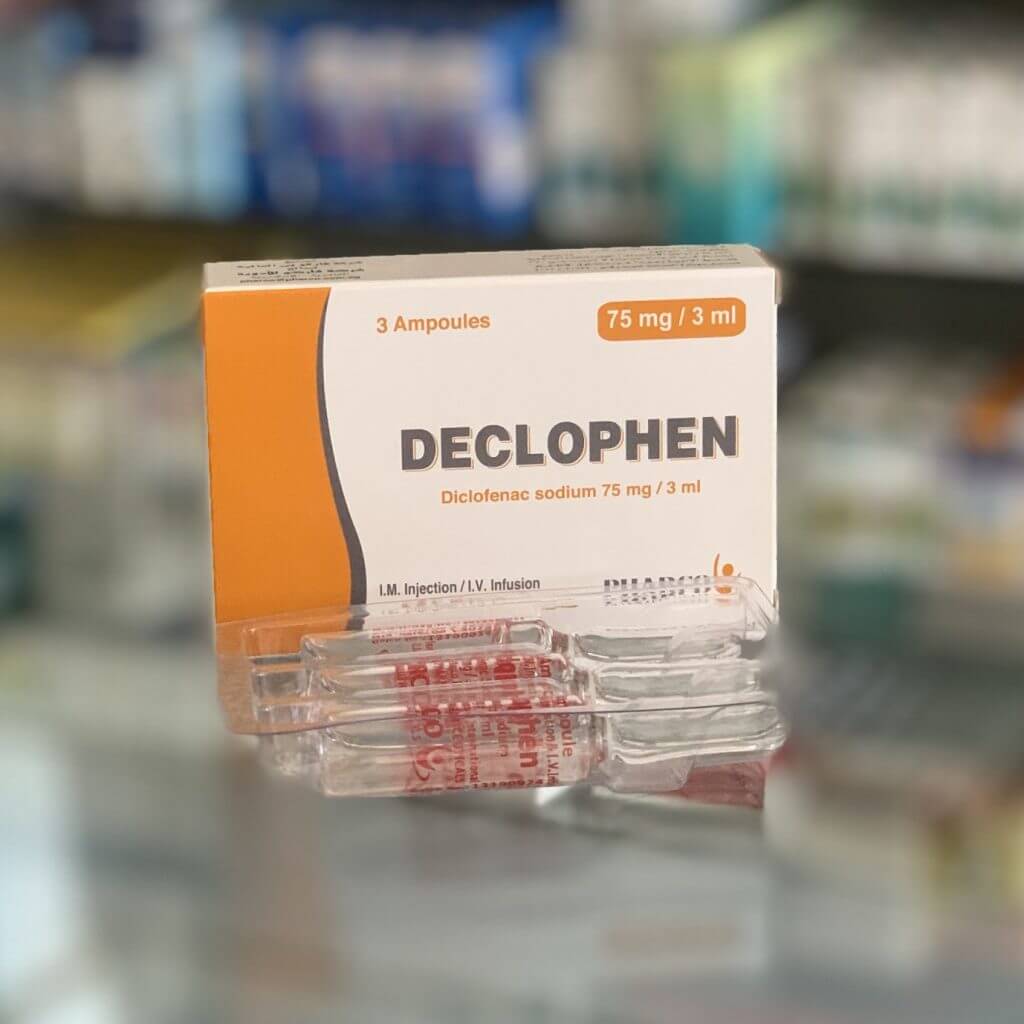
Declophen 75 mg/3 ml solution for intramuscular or intravenous injection 3 ampoules
36£