Русский
 English
 عربي
عربي
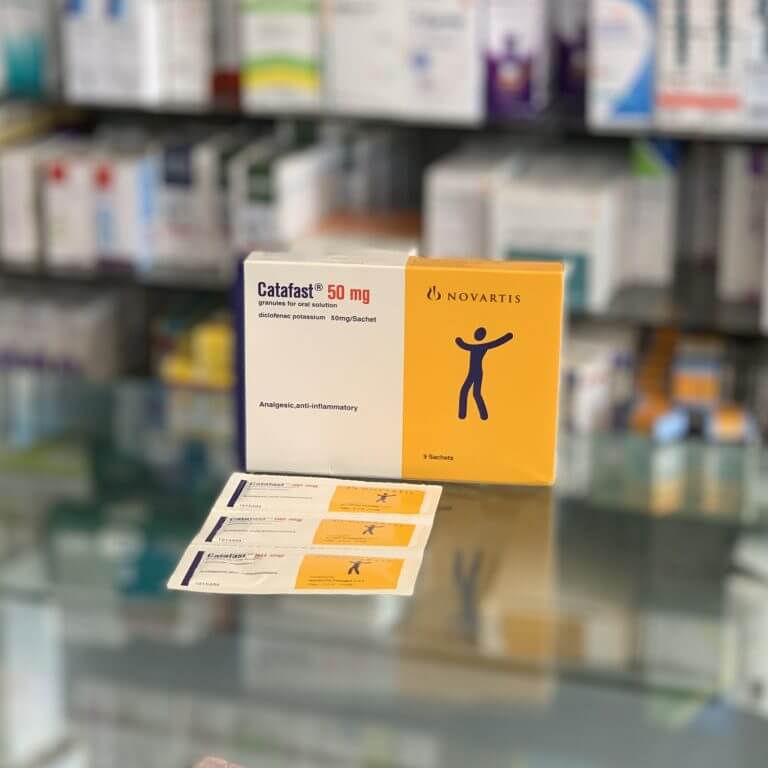
Catafast 50 mg 9 sachets
72£
View analogsFor short-term treatment of the following acute conditions: post-traumatic pain, inflammation and swelling, for example, due to damage to the ligaments; postoperative pain, inflammation and swelling, for example, after dental or orthopedic surgery; pain and / or inflammation accompanying gynecological diseases, for example, primary dysmenorrhea or adnexitis; headache, migraine attacks; toothache; pain syndromes from the spine; pain in muscles and joints; neuralgia; rheumatic diseases of extra-articular soft tissues; proctitis; renal colic; biliary colic; as an adjuvant in infectious and inflammatory diseases of the ear, throat and nose, for example, pharyngotonsillitis, otitis media, accompanied by severe pain and inflammation.
Buy
Product quantities
Form of Release: Sachets
Product Brand:
Novartis
About the brand
Product Categories: Painkillers, anti-inflammatory • Nonsteroidal anti-inflammatory drugs


Catafast 50 mg 9 sachets
Composition:
Each sachet contains:
Diclofenac 50 mg
Auxiliary components:
Potassium hydrogen carbonate, mannitol, aspartame, sodium saccharin, sucrose, mint flavor.
Properties:
NSAID, a derivative of phenylacetic acid. It has a pronounced analgesic, anti-inflammatory and antipyretic effect. Due to its rapid onset of action, the use of diclofenac potassium salt is preferred for the treatment of acute pain and inflammatory conditions.
The main mechanism of action of diclofenac is the inhibition of the synthesis of prostaglandins, which play an important role in the pathogenesis of inflammation, pain and fever.
In vitro, diclofenac potassium at concentrations equivalent to those achieved in the treatment of patients does not inhibit the biosynthesis of proteoglycans in cartilage tissue.
Diclofenac potassium has a pronounced analgesic effect with moderate to severe pain syndrome. In the presence of inflammation, caused, for example, by trauma or surgery, quickly eliminates both spontaneous pain and pain during movement, and also reduces inflammatory tissue edema and edema in the area of the surgical wound.
In clinical studies, it was found that diclofenac potassium is able to reduce pain and reduce blood loss in primary dysmenorrhea.
With migraine attacks, it reduces the severity of headaches and associated symptoms such as nausea and vomiting.
After oral administration, the therapeutic effect develops after 15-30 minutes, the effect lasts for 4-6 hours.
Indications:
For short-term treatment of the following acute conditions: post-traumatic pain, inflammation and swelling, for example, due to damage to the ligaments; postoperative pain, inflammation and swelling, for example, after dental or orthopedic surgery; pain and / or inflammation accompanying gynecological diseases, for example, primary dysmenorrhea or adnexitis; headache, migraine attacks; toothache; pain syndromes from the spine; pain in muscles and joints; neuralgia; rheumatic diseases of extra-articular soft tissues; proctitis; renal colic; biliary colic; as an adjuvant in infectious and inflammatory diseases of the ear, throat and nose, for example, pharyngotonsillitis, otitis media, accompanied by severe pain and inflammation.
Method of administration and dosage:
The optimal dosage regimen is determined by the doctor. The compliance of the used dosage form of a particular drug with indications fo use and dosage regimen should be strictly observed.
Inside.
In case of moderate severity of symptoms, the daily dose is 50-100 mg (depending on the dosage form of the drug). The maximum daily dose should not exceed 150-200 mg.
The frequency of admission depends on the severity of the course of the disease and is 2-3 times / day.
Contraindications:
Hypersensitivity (including to other NSAlDs); attacks of bronchial asthma, urticaria or acute rhinitis in history caused by taking acetylsalicylic acid or other NSAlDs; peptic ulcer or intestinal ulcer in the acute phase; ulcerative bleeding or perforation; inflammatory bowel disease (Crohn’s disease, ulcerative colitis) in the acute phase; severe liver failure; active liver disease; severe renal failure (CC less than 30 ml / min); progressive kidney disease; confirmed hyperkalemia; severe heart failure; period after coronary artery bypass grafting; disorders of hematopoiesis; various disorders of hemost (including hemophilia); Ill trimester of pregnancy; lactation period; children under 14 years of age.
Precautions:
Special care should be taken when using diclofenac potassium in patients receiving drugs that increase the risk of gastrointestinal bleeding: systemic corticosteroids, anticoagulants, antiplatelet agents or selective serotonin reuptake inhibitors.
If bleeding or ulceration of the gastrointestinal tract develops in patients against the background of the use of diclofenac potassium, the drug should be canceled.
To reduce the toxic effect on the gastrointestinal tract, diclofenac potassium should be prescribed in the minimum effective dose.
Side effects:
From the nervous system: often – headache dizziness; rarely – drowsiness;
On the part of the organ of hearing and labyrinth disorders: often – vertigo; very rarely – hearing impairment, tinnitus.
From the digestive system: often – dry mouth, abdominal pain, nausea, vomiting, belching, heartburn, diarrhea, dyspepsia, flatulence, anorexia, increased activity of hepatic transferases in the blood serum; infrequently decreased appetite, anorexia.
Storage method:
At a temperature not higher than 30 degrees. In a dry place.
Packaging:
Each pack contains 9 sachets.
Tags, Keywords:
Active Ingredients:
No comments yet. Be the first to write one.
Your comment will be published after moderation.
You’ll receive a notification to your email when someone replies.
Related Products




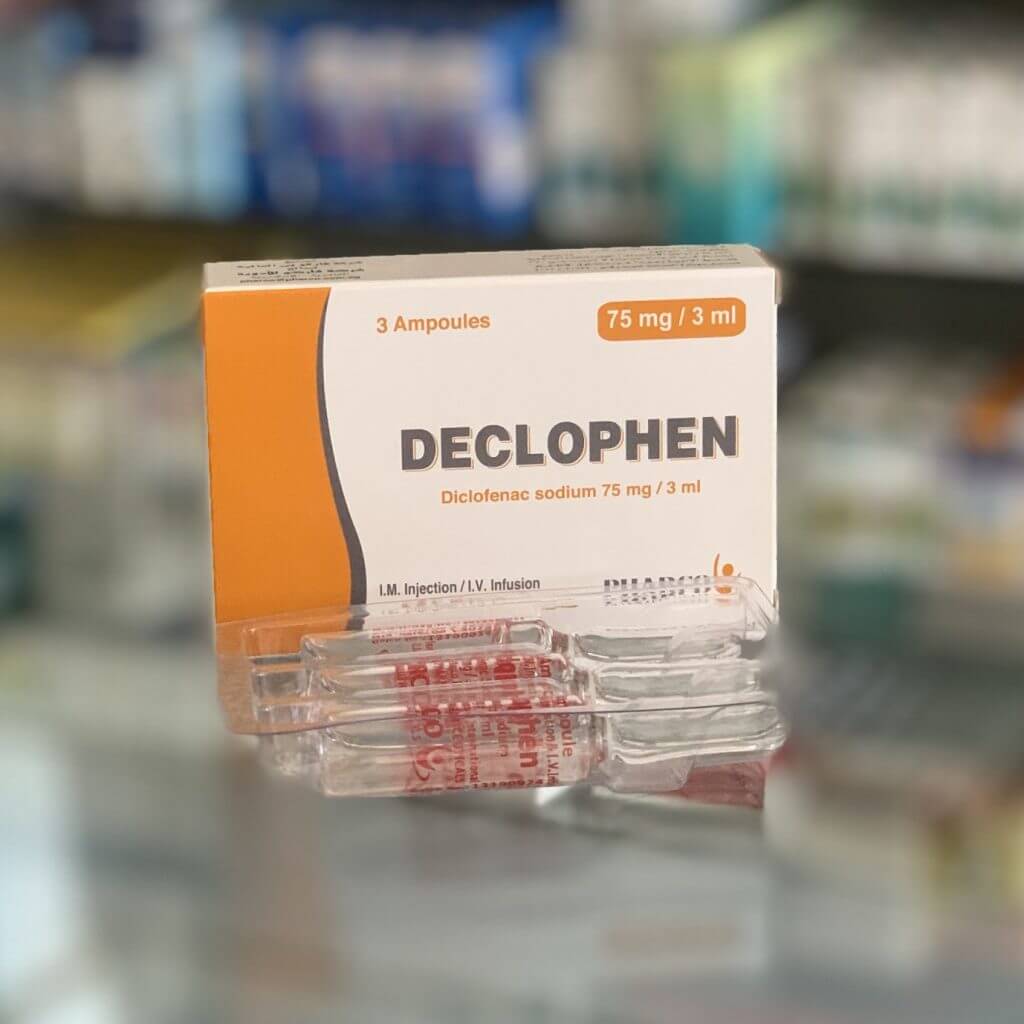
Declophen 75 mg/3 ml solution for intramuscular or intravenous injection 3 ampoules
36£