Русский
 English
 عربي
عربي
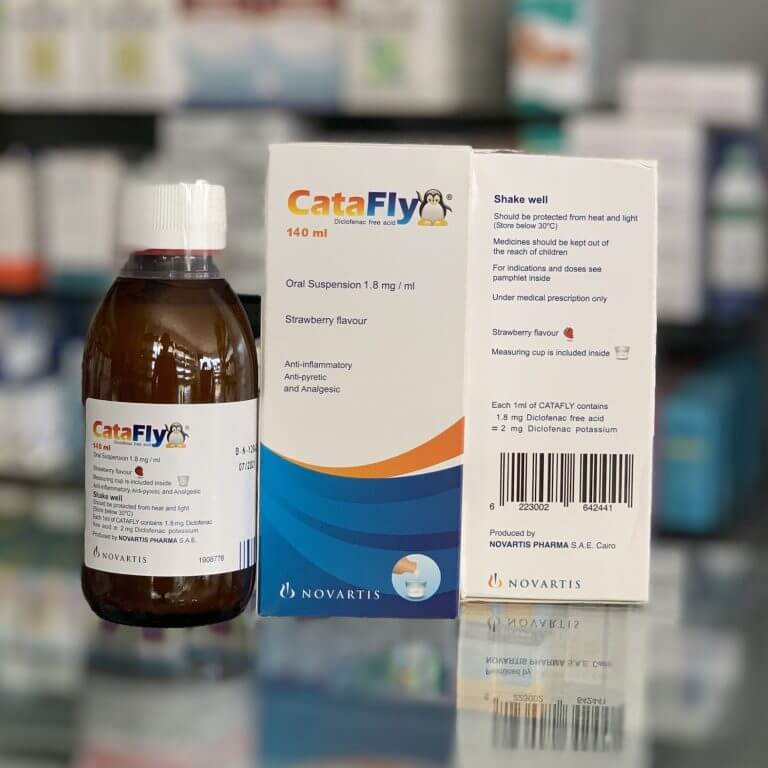
Catafly Suspension 140 ml
43£
View analogsFor short-term treatment of the following acute conditions: post-traumatic pain, inflammation and swelling, for example, due to damage to the ligaments; postoperative pain, inflammation and swelling, for example, after dental or orthopedic surgery; pain and / or inflammation accompanying gynecological diseases, for example, primary dysmenorrhea or adnexitis; headache, migraine attacks; toothache; pain syndromes from the spine; pain in muscles and joints; neuralgia; rheumatic diseases of extra-articular soft tissues; proctitis; renal colic; biliary colic; as an adjuvant in infectious and inflammatory diseases of the ear, throat and nose, for example, pharyngotonsillitis, otitis media, accompanied by severe pain and inflammation.
Form of Release: Suspension
Product Brand:
Novartis
About the brand
Product Categories: Painkillers, anti-inflammatory • Nonsteroidal anti-inflammatory drugs


Catafly Suspension 140 ml
Composition:
Each ml of syrup contains:
2 mg diclofenac potassium
Auxiliary components:
Cytic acid, sorbitic acid, purified water, strawberry flavor, microcrystalline cellulose, propylene glycol, sodium saccharin, and sorbitol.
Properties:
NSAID, a derivative of phenylacetic acid. It has a pronounced analgesic, anti-inflammatory and antipyretic effect. Due to its fast onset of action, the use of diclofenac potassium salt is preferred for the treatment of acute pain an inflammatory conditions.
The main mechanism of action of diclofenac is the inhibition of the synthesis of prostaglandins, which play an important role in the pathogenesis of inflammation, pain and fever.
Indications:
For short-term treatment of the following acute conditions: post-traumatic pain, inflammation and swelling, for example, due to damage to the ligaments; postoperative pain, inflammation and swelling, for example, after dental or orthopedic surgery; pain and / or inflammation accompanying gynecological diseases, for example, primary dysmenorrhea or adnexitis; headache, migraine attacks; toothache; pain syndromes from the spine; pain in muscles and joints; neuralgia; rheumatic diseases of extra-articular soft tissues; proctitis; renal colic; biliary colic; as an adjuvant in infectious and inflammatory diseases of the ear, throat and nose, for example, pharyngotonsillitis, otitis media, accompanied by severe pain and inflammation.
Method of administration and dosage:
For adults:
The initial dose is 50 to 75 ml per day.
If the condition improves from 37.5 to 50 ml per day.
The maximum daily dose is 75 ml per day. Divide the daily dose into 2 or 3 doses.
Children:
Children 1 year and older:
The recommended dose is from 0.25 to 1 ml / kg per day, depending on the condition.
Children over 14 years old from 37.5 to 50 ml per day. Divide the daily dose into 2 or 3 doses. The maximum daily dose is 75 ml.
Contraindications:
Hypersensitivity (including to other NSAlDs • attacks of bronchial asthma, urticaria or acu rhinitis in history caused by taking acetylsalicylic acid or other NSAlDs; peptic
ulcer or intestinal ulcer in the acute phase; ulcerative bleeding or perforation; inflammatory bowel disease (Crohn’s disease, ulcerative colitis) in the acute phase; severe liver failure; active liver disease; severe renal failure (CC less than 30 ml / min); progressive kidney disease; confirmed hyperkalemia; severe heart failure; period after coronary artery bypass grafting; disorders of hematopoiesis; various disorders of hemostasis (including hemophilia);
Precautions:
Special care should be taken when using diclofenac potassium in patients receiving drugs that increase the risk of gastrointestinal bleeding: systemic corticosteroids, anticoagulants, antiplatelet agents, or selective serotonin reuptake inhibitors.
If bleeding or ulceration of the gastrointestinal tract develops in patients against the background of the use of diclofenac potassium, the drug should be canceled.
Side effects:
From the nervous system: often – headache, dizziness; rarely – drowsiness; very rarely
paresthesias, memory disorders, tremors, convulsions, anxiety, acute cerebrovascular accidents, aseptic meningitis, disorientation, depression, insomnia, nightmares, irritability, mental disturbances, disturbances in taste.
On the part of the organ of hearing and labyrinth disorders: often – vertigo; very rarely hearing impairment, tinnitus.
From the side of the organ of vision:
infrequently – toxic damage to the optic nerve; very rarely – visual impairment (blurred vision, diplopia, scotoma).
Dermatological reactions: often – skin rash, ecchymosis, skin flushing; very rarely – bullous rashes, eczema, erythema, exfoliative dermatitis, itching, hair loss, photosensitivity reactions.
Storage method:
In a cool dry place at a temperature not exceeding 30 degrees.
Packaging:
The cardboard box contains a 140 ml bottle, paper instructions.
Tags, Keywords:
Active Ingredients:
No comments yet. Be the first to write one.
Your comment will be published after moderation.
You’ll receive a notification to your email when someone replies.
Related Products




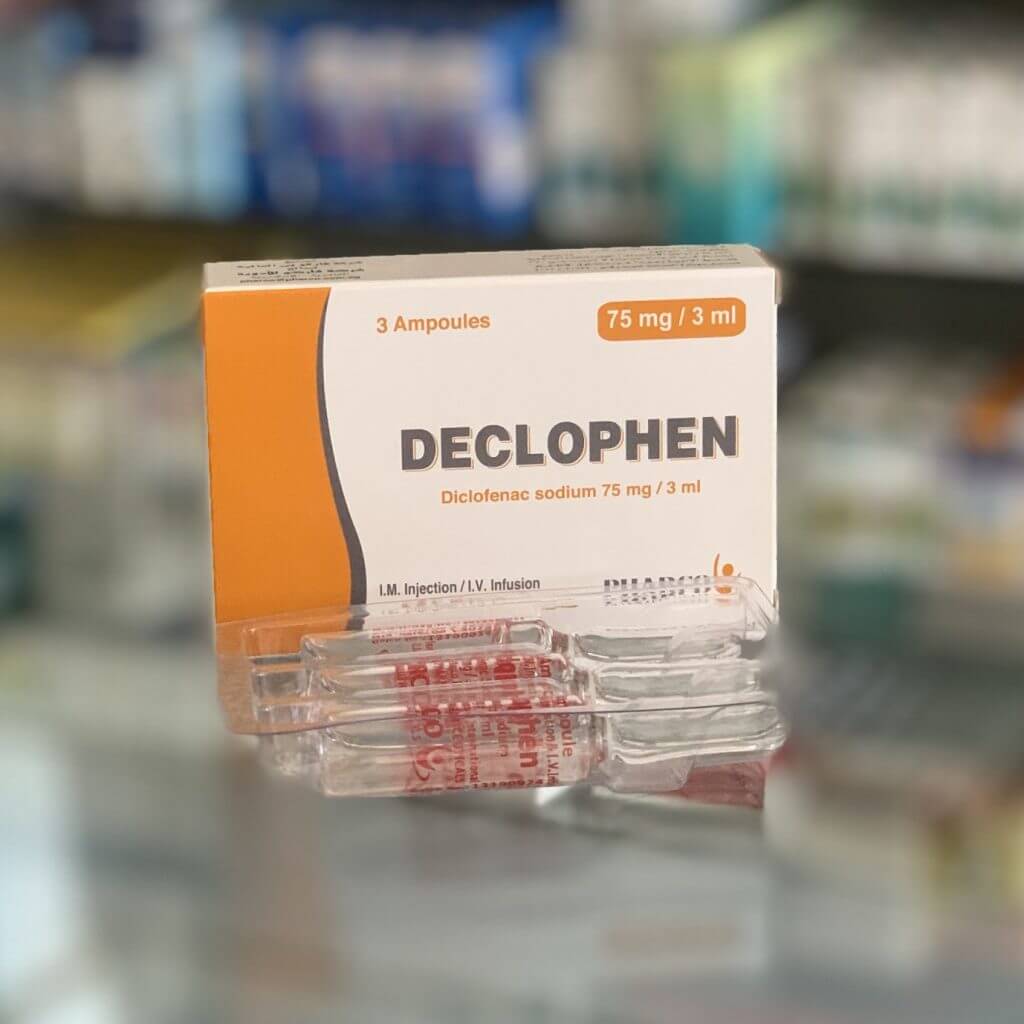
Declophen 75 mg/3 ml solution for intramuscular or intravenous injection 3 ampoules
36£