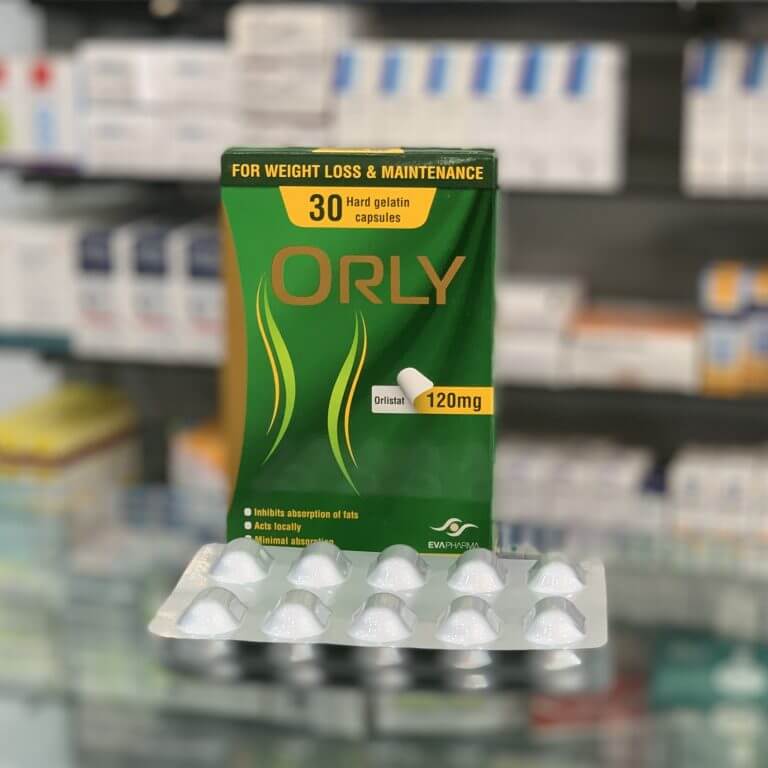
Orly 120 mg 30 capsules
Compound:
Each capsule contains:
Orlistat 120 mg
Auxiliary components:
microcrystalline cellulose, sodium carboxymethyl starch, sodium lauryl sulfate, povidone K30, proprietary blue dye, titanium dioxide, gelatin.
Properties:
Lipase inhibitor. When taken orally, orlistat inhibits gastric and pancreatic lipases. As a result, the breakdown of dietary fats is disrupted and their absorption from the gastrointestinal tract is reduced. With systematic use, this effect leads to a decrease in body weight in obese patients. Orlistat is practically not absorbed from the gastrointestinal tract and therefore has practically no resorptive effect.
Indications:
Obesity (combined with a moderate calorie diet).
Dosage and administration:
The optimal dosage regimen is determined by the doctor. Compliance of the dosage form of a particular drug with indications for use and dosing regimen should be strictly observed.
inside. The recommended dose is 120 mg 3 times / day with meals.
The duration of the course of treatment is no more than 6 months.
Contraindications:
Hypersensitivity to orlistat; chronic malabsorption syndrome, cholestasis; simultaneous use with warfarin or other oral anticoagulants of indirect action, concomitant therapy with cyclosporine, simultaneous use with sitagliptin; pregnancy, lactation (breastfeeding); children and adolescents up to 18 years of age.
Precautionary measures:
Diet and exercise are an important component of a weight loss program. It is recommended that diet and exercise be initiated prior to initiating orlistat therapy. During the period of use of orlistat, the patient should receive a moderately hypocaloric diet with a balanced content of nutrients, in which approximately 30% is fat. It is recommended that the food be rich in fruits and vegetables. The diet and exercise program should continue after orlistat is discontinued.
It must be borne in mind that the frequency and severity of side effects increase with increasing fat content in food. By reducing the fat content in food, the likelihood of side effects decreases. It is recommended that the amount of fat consumed per day be fairly evenly distributed over all meals.
If diarrhea occurs during the use of orlistat, the use of an additional method of contraception is recommended to prevent the possible ineffectiveness of oral contraceptives.
If symptoms such as weakness, fatigue, fever, jaundice and dark urine appear, you should consult your doctor to rule out liver dysfunction.
Side effects:
From the digestive system: very often – oily discharge from the rectum, passing gases with some discharge, imperative urge to defecate, steatorrhea, flatulence; often – abdominal pain, fecal incontinence, loose stools, increased bowel movements; frequency is unknown – minor bleeding from the rectum, diverticulitis, pancreatitis.
From the side of the liver and biliary tract: the frequency is unknown – increased activity of “liver” transaminases, alkaline phosphatase, hepatitis, cholelithiasis.
From the urinary system: the frequency is unknown – hyperoxalaturia, oxalate nephropathy, which can sometimes lead to the development of renal failure.
From the skin and subcutaneous tissues: the frequency is unknown – bullous rash.
Other: the frequency is unknown – a feeling of anxiety; with the simultaneous use of orlistat and anticoagulants of indirect action, there was a decrease in the concentration of prothrombin in the blood plasma and an increase in the international normalized ratio (INR).
Storage method:
Store at a temperature not exceeding 30 degrees.
Package:
The cardboard box contains 1, 2 or 3 blisters of 10 capsules.
 Русский
 English
 عربي
عربي