Русский
 English
 عربي
عربي
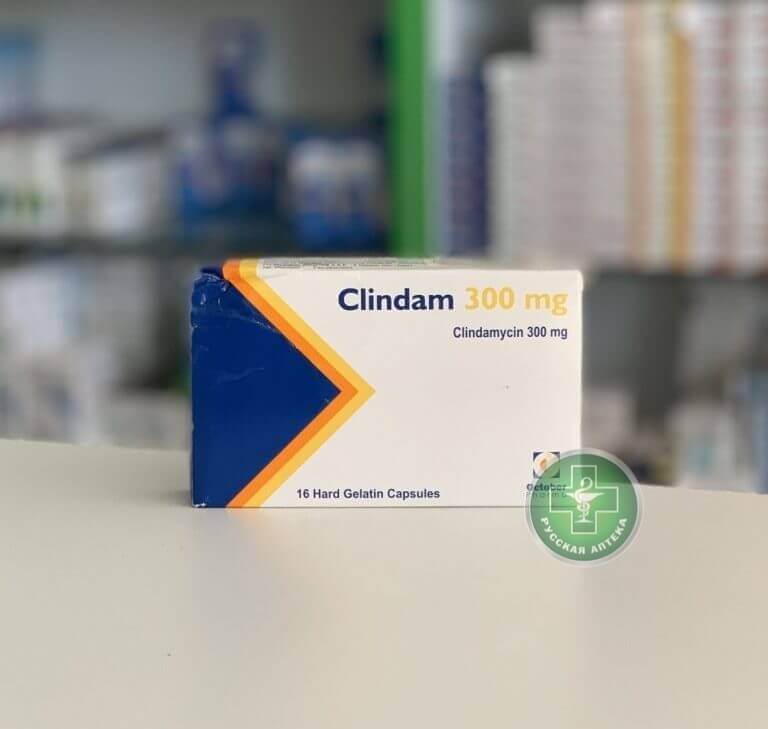
Clindam 300 mg 16 capsules
75£
View analogs- Upper and lower respiratory tract, ear, nose, and throat infections (pharyngitis, tonsillitis, sinusitis, otitis media, pneumonia, lung abscess, pleural empyema, bronchitis), as well as scarlet fever and diphtheria.
- Urogenital tract infections (chlamydia, endometritis, vaginal infections, tubo-ovarian inflammation).
- Skin, soft tissue, abdominal, and oral cavity infections (infected wounds, abscesses, furuncles, felon, peritonitis).
- Acute and chronic osteomyelitis, septicemia, bacterial endocarditis.
- Prevention of peritonitis and intra-abdominal abscesses after intestinal perforation or trauma (in combination with aminoglycosides).
Buy
Product quantities
Form of Release: Capsules
Product Brand:
October Pharma
About the brand
Product Categories: Antibiotics • Antibiotics for otitis • Broad spectrum antibiotics


Clindam 300 mg 16 capsules
Composition:
Each capsule contains Clindamycin (as clindamycin hydrochloride) — 300 mg.
The excipients are lactose monohydrate, magnesium stearate, talc, starch, gelatin, and titanium dioxide.
Product Description:
Clindam is a lincosamide antibiotic with bacteriostatic action that inhibits protein synthesis in microorganisms.
The drug exhibits a broad spectrum of activity against Gram-positive and anaerobic bacteria, including staphylococci, streptococci, clostridia, bacteroides, propionibacteria, and actinomycetes.
Compared to lincomycin, it demonstrates significantly higher antimicrobial activity against anaerobic microorganisms.
Indications for Use:
- Upper and lower respiratory tract, ear, nose, and throat infections (pharyngitis, tonsillitis, sinusitis, otitis media, pneumonia, lung abscess, pleural empyema, bronchitis), as well as scarlet fever and diphtheria.
- Urogenital tract infections (chlamydia, endometritis, vaginal infections, tubo-ovarian inflammation).
- Skin, soft tissue, abdominal, and oral cavity infections (infected wounds, abscesses, furuncles, felon, peritonitis).
- Acute and chronic osteomyelitis, septicemia, bacterial endocarditis.
- Prevention of peritonitis and intra-abdominal abscesses after intestinal perforation or trauma (in combination with aminoglycosides).
Method of Administration and Dosage:
The medication is taken orally, preferably with food, with a full glass of water to avoid esophageal irritation.
For adults, the dosage ranges from 600 mg to 1800 mg per day, divided into 2, 3, or 4 equal doses.
For children over 6 years of age, the recommended dose is 8–25 mg/kg per day, also divided into 3 or 4 equal doses.
Contraindications:
- Hypersensitivity to clindamycin, lincomycin, or any of the excipients.
- Gastrointestinal diseases (especially ulcerative colitis, regional enteritis, or antibiotic-associated colitis).
- Severe hepatic or renal impairment.
- Pregnancy and lactation.
Precautions:
The drug should be used with caution in patients with a history of bronchial asthma, gastrointestinal disorders (especially colitis), atopy, or a history of allergic reactions to medications.
Adverse Reactions / Side Effects:
- Gastrointestinal Disorders: abdominal pain, nausea, diarrhea, vomiting, esophagitis, pseudomembranous enterocolitis, dysbiosis, esophageal ulcers.
- Blood and Lymphatic System Disorders: leukopenia, neutropenia, agranulocytosis, thrombocytopenia, eosinophilia, thrombocytopenic purpura.
- Skin and Subcutaneous Tissue Disorders: papular rash, urticaria, exfoliative dermatitis, bullous dermatitis.
- Hepatobiliary Disorders: hepatotoxicity, hyperbilirubinemia, jaundice.
- Immune System Disorders: hypersensitivity reactions (angioedema, anaphylaxis), Drug Reaction with Eosinophilia and Systemic Symptoms (DRESS) syndrome.
- Musculoskeletal Disorders: polyarthritis.
- Infections and Infestations: superinfections, vaginitis.
Pregnancy and Lactation:
The use of this drug during pregnancy and breastfeeding is contraindicated.
Storage Conditions:
Store at a temperature not exceeding 30 °C.
Keep out of reach of children.
Packaging:
The cardboard box contains 2 blisters of 8 capsules each (16 capsules total) and a medical instruction insert.
Tags, Keywords:
Active Ingredients:
No comments yet. Be the first to write one.
Your comment will be published after moderation.
You’ll receive a notification to your email when someone replies.