Русский
 English
 عربي
عربي


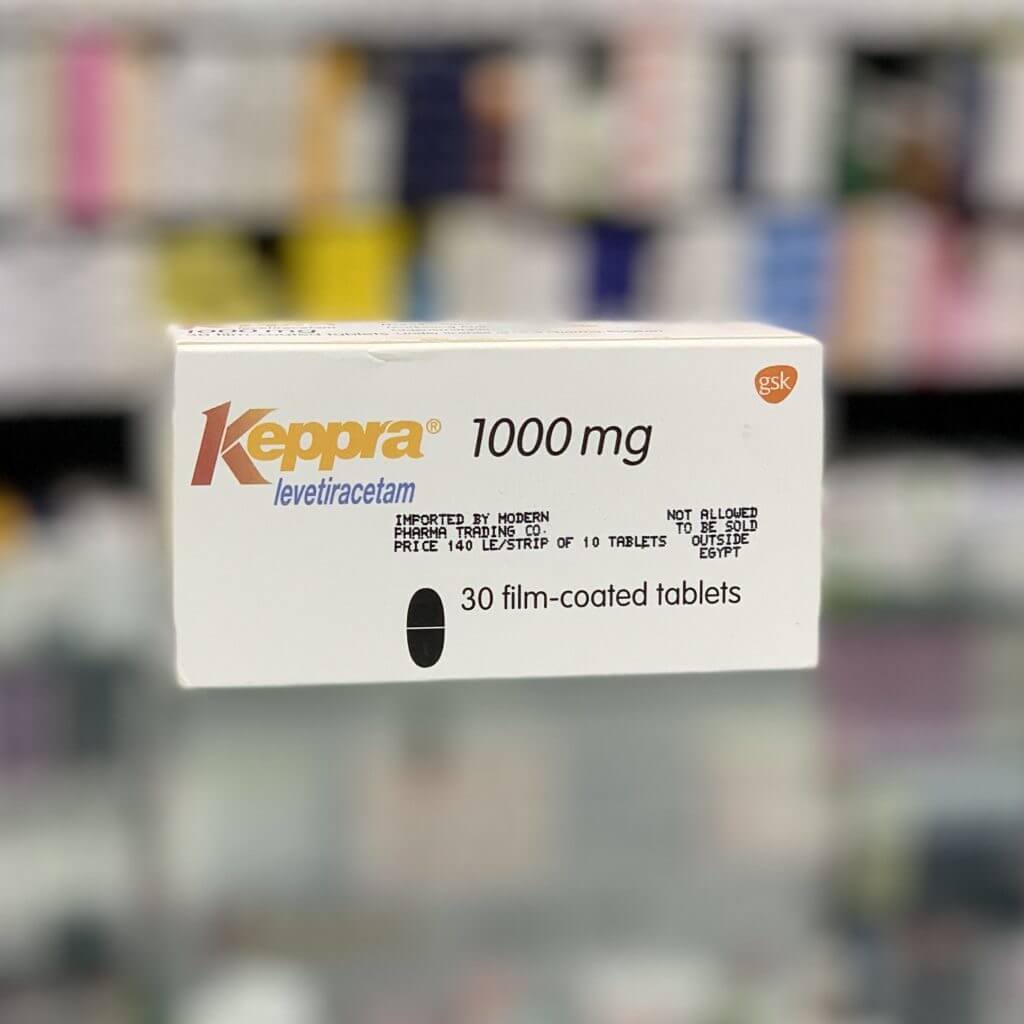
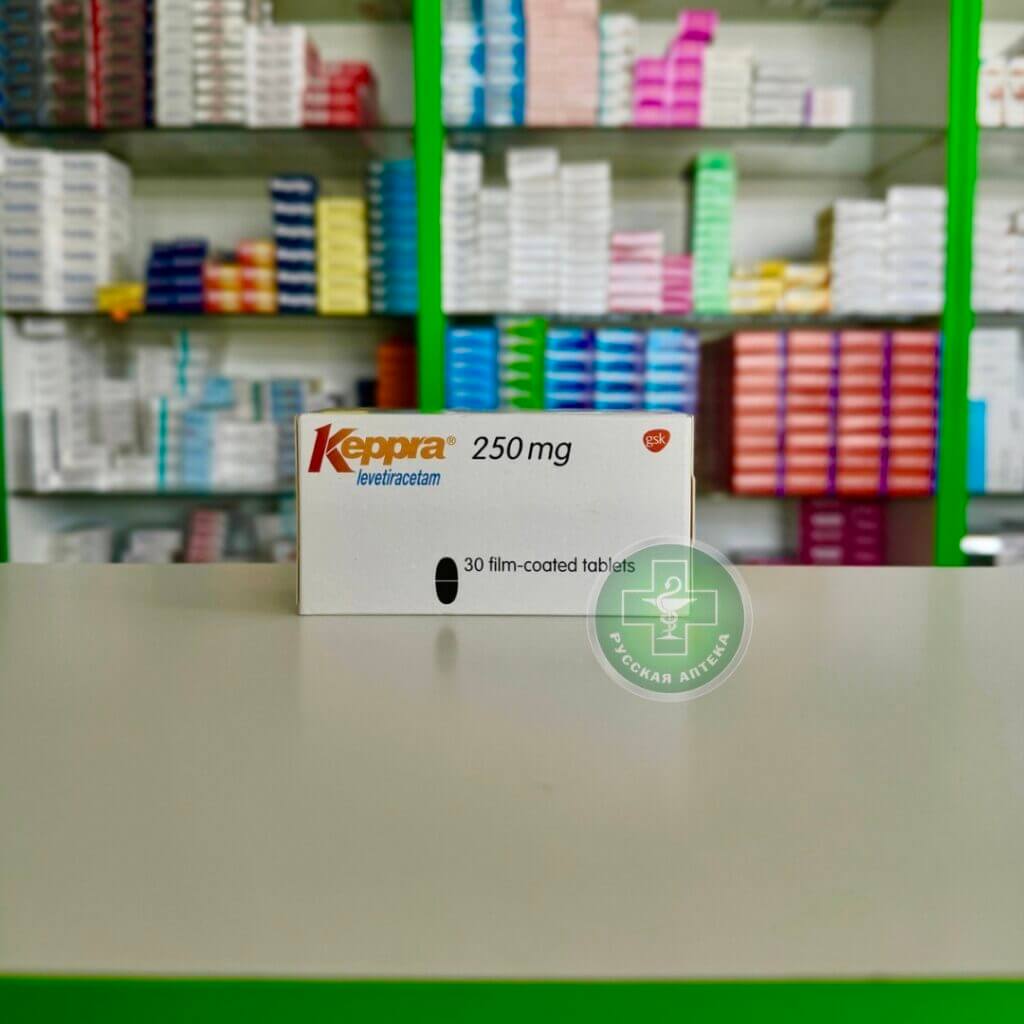
Keppra 500 mg 30 tablets
465£
View analogs- Monotherapy (in adults and adolescents from 16 years): Partial onset seizures with or without secondary generalization in patients with newly diagnosed epilepsy.
- Adjunctive therapy (in combination with other drugs).
- Partial onset seizures with or without secondary generalization in adults, adolescents, children, and infants from 1 month of age.
- Myoclonic seizures in adults and adolescents from 12 years of age with Juvenile Myoclonic Epilepsy.
- Primary generalized tonic-clonic seizures in adults and adolescents from 12 years of age with Idiopathic Generalized Epilepsy.
Buy
Product quantities
Form of Release: Tablets
Product Brand:
GlaxoSmithKline
About the brand
Product Categories: Brain and cerebral circulation • Epilepsy


Keppra 500 mg 30 tablets
Composition:
Each film-coated tablet contains:
Active ingredient:
Levetiracetam 500 mg.
Excipients:
Sodium croscarmellose, macrogol 6000, colloidal anhydrous silica, magnesium stearate, Opadry yellow (E172), polyvinyl alcohol-partially hydrolyzed, titanium dioxide (E171), macrogol/PEG 3350, talc, iron oxide yellow.
Description:
An anticonvulsant drug from the pyrrolidone group.
It has an antiepileptic effect, the mechanism of which differs from other antiepileptic drugs.
Used for monotherapy and in combination with other drugs for various types of epileptic seizures in adults and children.
Indications for Use:
- Monotherapy (in adults and adolescents from 16 years): Partial onset seizures with or without secondary generalization in patients with newly diagnosed epilepsy.
- Adjunctive therapy (in combination with other drugs).
- Partial onset seizures with or without secondary generalization in adults, adolescents, children, and infants from 1 month of age.
- Myoclonic seizures in adults and adolescents from 12 years of age with Juvenile Myoclonic Epilepsy.
- Primary generalized tonic-clonic seizures in adults and adolescents from 12 years of age with Idiopathic Generalized Epilepsy.
Dosage and Administration:
- Administration: With or without food.
Tablets should be swallowed whole with water.
The daily dose is administered in two equally divided doses. - Dosage (Adults and adolescents 12-17 years weighing ≥50 kg):
Initial therapeutic dose: 500 mg twice daily.
Can be started on the first day of treatment. - Alternative initial dose (based on physician assessment): 250 mg twice daily, increased to 500 mg twice daily after two weeks.
- Dose titration: Depending on clinical response and tolerability, the daily dose can be increased in steps of 250 or 500 mg twice daily every 2 to 4 weeks.
- Maximum daily dose: 3000 mg (1500 mg twice daily).
- Special Populations: Dose must be individualized based on renal function (see full instructions).
No dose adjustment is needed in patients with mild to moderate hepatic impairment.
Dose adjustment is recommended in elderly patients with compromised renal function. - Children under 6 years: The tablet formulation is not adapted for use.
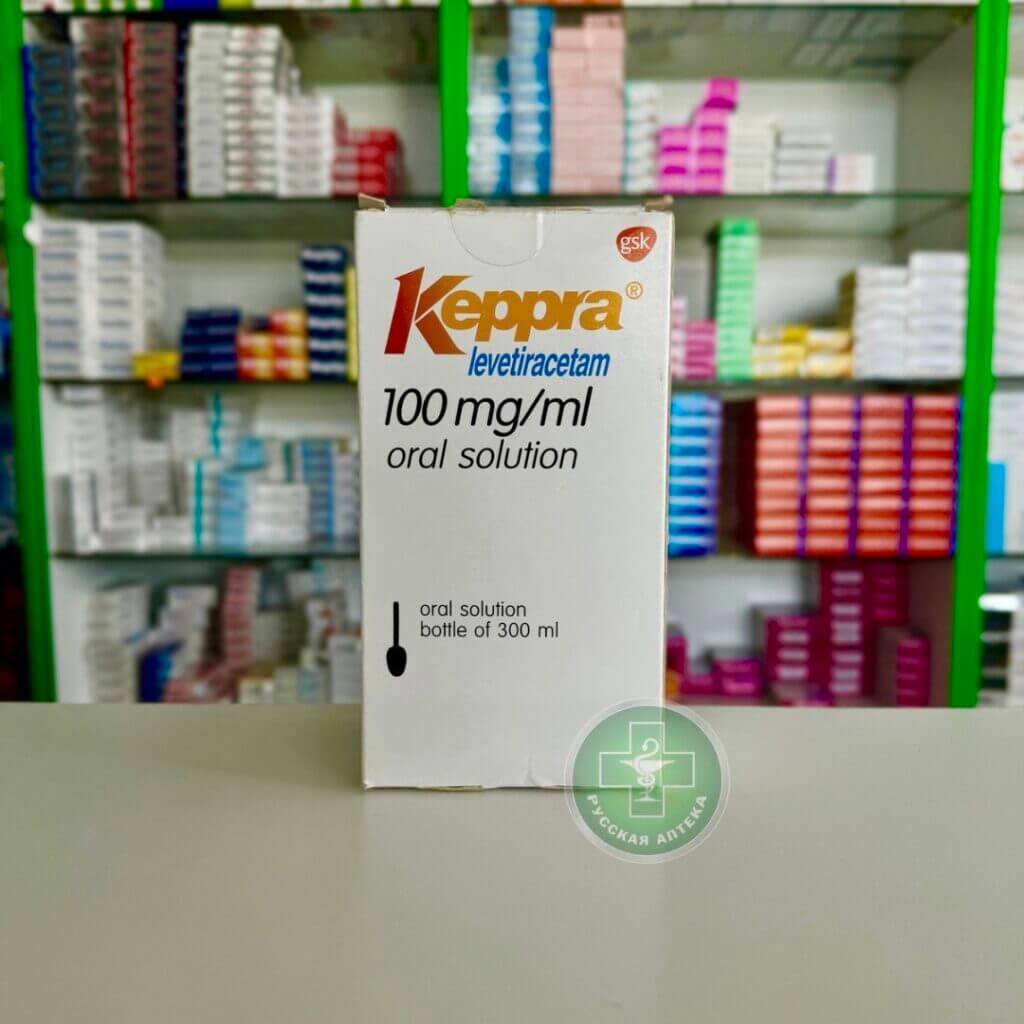
Keppra oral solution should be used. - Discontinuation: If discontinuation is necessary, it should be done gradually (e.g., in adults and adolescents >50 kg: decrease by 500 mg twice daily every 2-4 weeks).
Contraindications:
Hypersensitivity to levetiracetam, other pyrrolidone derivatives, or to any of the excipients.
Precautions:
- Behavioral and Psychiatric Reactions: The drug may cause irritability, aggression, agitation, psychotic symptoms, depression, and suicidal ideation.
Patients should be monitored for changes in behavior and mood. - Worsening of Seizures: Rarely, paradoxical increase in seizure frequency or severity may occur, especially during the first month of therapy.
- Discontinuation: Abrupt withdrawal may lead to an increase in seizure frequency.
Discontinue gradually. - Renal Function: Dose adjustment is required in renal impairment.
Rare cases of acute kidney injury have been reported. - Hematological Reactions: Rare decreases in blood cell counts (neutropenia, thrombocytopenia, pancytopenia) are possible.
Blood counts are advised if weakness, pyrexia, recurrent infections occur. - QT Interval Prolongation: Rare cases have been observed in post-marketing experience.
Use with caution in patients with known QT prolongation, on other QT-prolonging drugs, or with electrolyte disturbances.
Side Effects:
- Very common: somnolence, headache.
- Common: nasopharyngitis, anorexia, depression, hostility/aggression, anxiety, insomnia, nervousness/irritability, dizziness, asthenia/fatigue, nausea.
- Uncommon: weight increase/decrease, confusion, panic attack, tremor, diplopia, blurred vision, cough, abdominal pain, diarrhea, dyspepsia, vomiting, rash, muscular weakness, myalgia.
- Rare: hyponatraemia, suicidal ideation/behavior, psychotic symptoms, encephalopathy, pancreatitis, acute kidney injury, alopecia, Stevens-Johnson syndrome, toxic epidermal necrolysis, DRESS syndrome.
- Very rare: Neuroleptic Malignant Syndrome (more frequent in Japanese patients).
Pregnancy and Lactation:
- Pregnancy:
Available data from post-marketing experience on levetiracetam monotherapy do not suggest an increased risk of major congenital malformations.
Should be used during pregnancy only if the potential benefit justifies the potential risk to the fetus.
Plasma concentrations may decrease during pregnancy, particularly in the third trimester, requiring clinical management. - Lactation:
Levetiracetam is excreted in human milk.
Breast-feeding is not recommended.
If treatment is necessary, the benefit/risk should be weighed considering the importance of breast-feeding.
Storage Conditions:
Store at a temperature not exceeding 30°C.
Keep out of reach of children.
Packaging:
Carton box containing 3 blisters, each with 10 tablets and a package leaflet.
Tags, Keywords:
Active Ingredients:
No comments yet. Be the first to write one.
Your comment will be published after moderation.
You’ll receive a notification to your email when someone replies.