Русский
 English
 عربي
عربي
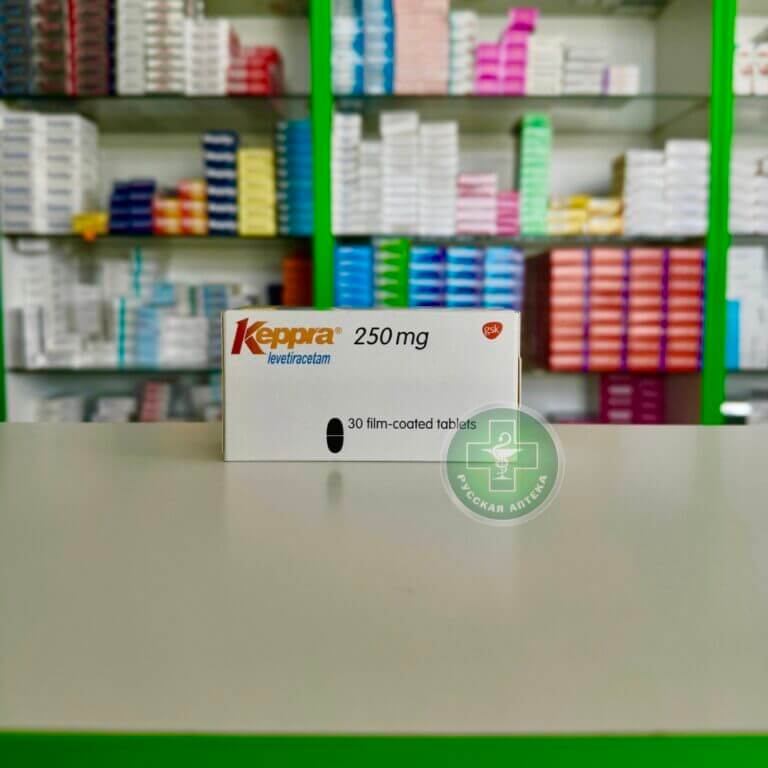
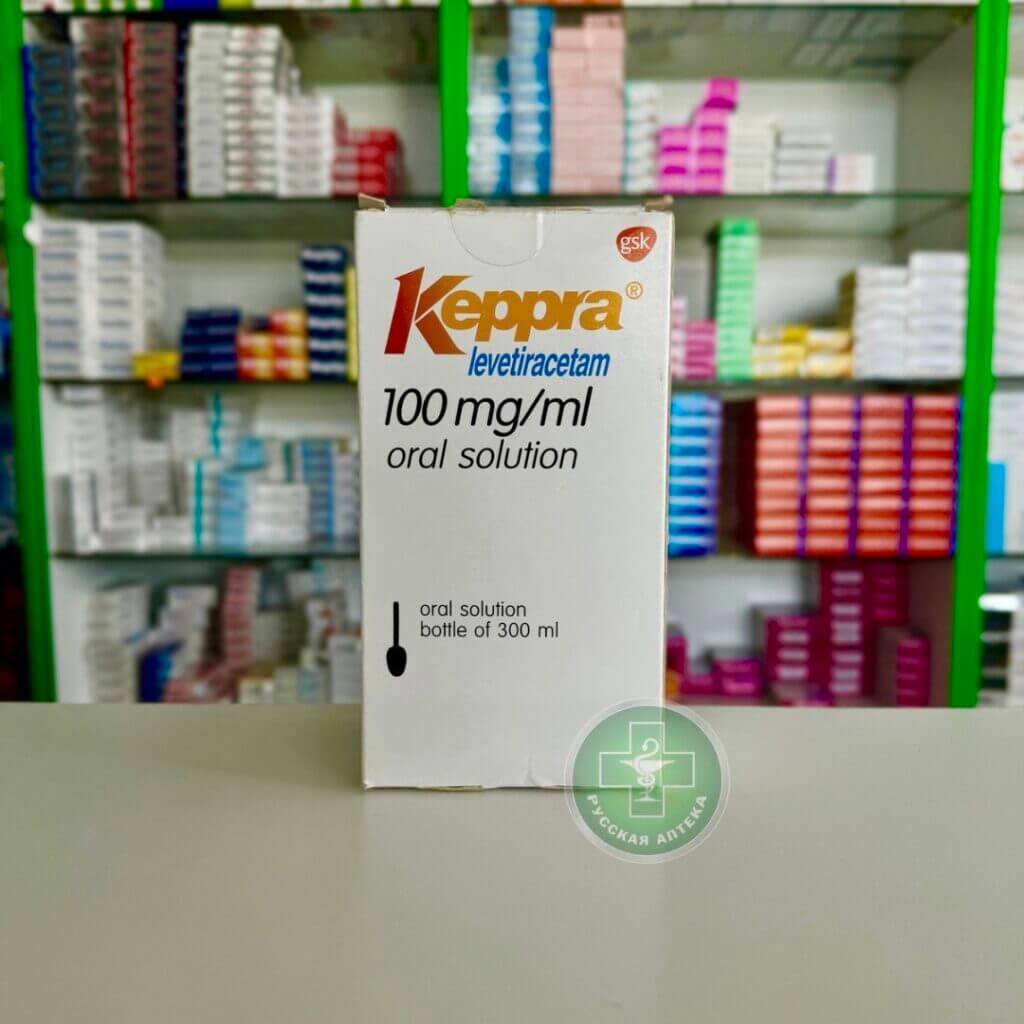
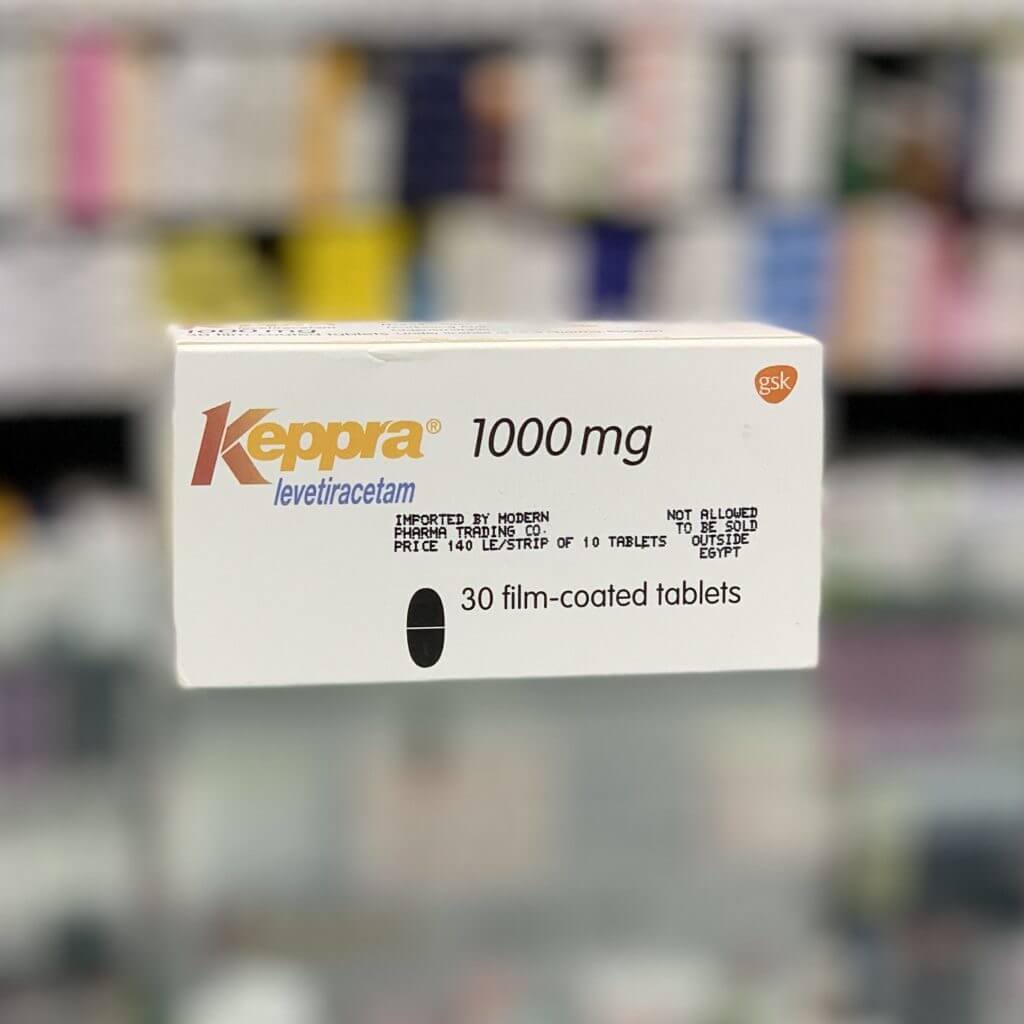
Keppra 250 mg 30 tablets
126£
View analogsLevetiracetam is indicated as monotherapy in the treatment of:
- partial onset seizures with or without secondary generalization in adults and adolescents from 16 years of age with newly diagnosed epilepsy.
- partial onset seizures with or without secondary generalization in adults, adolescents, children and infants from 1 month of age with epilepsy,
- myoclonic seizures in adults and adolescents from 12 years of age with juvenile myoclonic epilepsy,
- primary generalised tonic-clonic seizures in adults and adolescents from 12 years of age with idiopathic generalised epilepsy.
Form of Release: Tablets
Product Brand:
GlaxoSmithKline
About the brand
Product Categories: Brain and cerebral circulation • Epilepsy


Keppra 250 mg 30 tablets
Composition:
Each film-coated tablet contains: Levetiracetam 250 mg.
Description:
Pharmacotherapeutic group:
Antiepileptics; Other Antiepileptics
Pharmacodynamic effects:
Levetiracetam induces seizure protection in a broad range of animal models of partial and primary generalized seizures without having a pro-convulsant effect. The primary metabolite is inactive.
Indications:
Levetiracetam is indicated as monotherapy in the treatment of:
- partial onset seizures with or without secondary generalization in adults and adolescents from 16 years of age with newly diagnosed epilepsy.
- partial onset seizures with or without secondary generalization in adults, adolescents, children and infants from 1 month of age with epilepsy,
- myoclonic seizures in adults and adolescents from 12 years of age with juvenile myoclonic epilepsy,
- primary generalised tonic-clonic seizures in adults and adolescents from 12 years of age with idiopathic generalised epilepsy.
Dosage and Administration:
The film-coated tablets must be taken orally, swallowed with a sufficient quantity of liquid and may be taken with or without food. After oral administration the bitter taste of levetiracetam may be experienced. The daily dose is administered in two equally divided doses.
Adults
- Monotherapy
Adults and adolescents from 16 years of age
The recommended starting dose is 250 mg twice daily which should be increased to an initial therapeutic dose of 500 mg twice daily after two weeks.
The maximum dose is 1500 mg twice daily.
- Add-on therapy
Adults (>18 years) and adolescents (12 to 17 years) weighing 50 kg or more the initial therapeutic dose is 500 mg twice daily. This dose can be started on the first day of treatment.
Depending upon the clinical response and tolerability, the daily dose can be increased up to 1500 mg twice daily.
Children:
The physician should prescribe the most appropriate pharmaceutical form, presentation and strength according to age, weight and dose.
The tablet formulation is not adapted for use in infants and children under the age of 6 years.
Renal impairment
The daily dose must be individualized according to renal function
Normal (> 80) – 500 to 1,500 mg twice daily
Mild (50-79) 500 to 1,000 mg twice daily
Moderate (30-49) 250 to 750 mg twice daily
Severe (< 30) 250 to 500 mg twice daily
End-stage renal disease patients undergoing dialysis- 500 to 1000 mg once daily
Contraindications:
Levetiracetam is contraindicated in: hypersensitivity to the active substance or other pyrrolidone derivatives or to any of the excipients.
Warnings and Precautions:
Renal or hepatic impairment:
The administration of levetiracetam to patients with renal impairment may require dose adjustment.
Acute kidney injury:
The use of levetiracetam has been very rarely associated with acute kidney injury, with a time to onset ranging from a few days to several months.
Blood cell counts:
Rare cases of decreased blood cell counts (neutropenia, agranulocytosis, leucopenia, thrombocytopenia and pancytopenia) have been described in association with levetiracetam administration, generally at the beginning of the treatment.
Depression and/or suicidal ideation:
Antiepileptic drugs increase the risk of suicidal thoughts or behaviour in patients taking these drugs for any indication.
Abnormal and aggressive behaviors:
Levetiracetam may cause psychotic symptoms and behavioural abnormalities including irritability and aggressiveness.
Worsening of seizures:
As with other types of antipileptic drugs, levetiracetam may rarely exacerbate seizure frequency or severity.
Electrocardiogram QT interval prolongation:
Rare cases of ECG QT interval prolongation have been observed during the post-marketing surveillance. Levetiracetam should be used with caution in patients with QTc-interval prolongation, in patients concomitanty treated with drugs affecting the aT-interval, or in patients with relevant preexisting cardiac disease or electrolyte disturbances.
Interactions:
Methotrexate: Concomitant administration of levetiracetam and methotrexate has been reported to decrease methotrexate clearance, resulting in increased/prolonged blood methotrexate concentration to potentially toxic levels. Blood methotrexate and levetiracetam levels should be carefully monitored in patients treated concomitantly with the two drugs.
Laxatives: There have been isolated reports of decreased levetiracetam efficacy when the osmotic laxative macrogol has been concomitantly administered with oral levetiracetam. Therefore, macrogol should not be taken orally for one hour before and for one hour after taking levetiracetam.
Pregnancy and Lactation:
Specialist advice should be given to women who are of childbearing potential. Treatment with levetiracetam should be reviewed when a woman is planning to become pregnant. As with all antiepileptic medicines, sudden discontinuation of levetiracetam should be avoided as this may lead to breakthrough seizures that could have serious consequences for the woman and the unborn child.
Pregnancy:
A large amount of postmarketing data on pregnant women exposed to levetiracetam monotherapy (more than 1800, among which in more than 1500 exposure occurred during the first trimester) do not suggest an increase in the risk for major congenital malformations.
Physiological changes during pregnancy may affect levetiracetam concentration. Decrease in levetiracetam plasma concentrations has been observed during pregnancy. This decrease is more pronounced during the third trimester (up to 60% of baseline concentration before pregnancy). Appropriate clinical management of pregnant women treated with levetiracetam should be ensured.
Lactation:
Levetiracetam is excreted in human breast milk. Therefore, breast-feeding is not recommended.
However, if levetiracetam treatment is needed during breastfeeding, the benefit/risk of the treatment should be weighed considering the importance of breastfeeding.
Side Effects:
The most frequently reported adverse reactions were nasopharyngitis, somnolence, headache, fatigue and dizziness.
-Infections and infestations:
Very common: nasopharyngitis
Rare: infection
-Blood and lymphatic system disorders:
Uncommon: thrombocytopenia, leukopenia
Rare: pancytopenia, neutropenia, agranulocytosis
-Immune system disorders:
Rare: drug reaction with eosinophilia and systemic symptoms (DRESS), hypersensitivity (including angioedema and anaphylaxis)
-Metabolism and nutrition disorders:
Common: anorexia
Uncommon: weight decreased, weight increase
Rare: hyponatraemia
-Psychiatric disorders:
Common: depression, hostility/aggression, anxiety, insomnia, nervousness/iritability Uncommon: suicide attempt, suicidal ideation, psychotic disorder, abnormal behaviour, hallucination, anger, confusional state, panic attack, affect lability/mood swings, agitation Rare: completed suicide, personality disorder, thinking abnormal, delirium
-Nervous system disorders:
Very common: somnolence, headache
Common: convulsion, balance disorder, dizziness, lethargy, tremor Uncommon: amnesia, memory impairment, coordination abnormal/ataxia, paraesthesia, disturbance in attention
Rare: choreoathetosis, dyskinesia, hyperkinesia, gait disturbance, encephalopathy, seizures aggravated Eye disorders
Uncommon: diplopia, vision blurred
-Ear and labyrinth disorders:
Common: vertigo
-Cardiac disorders:
Rare: electrocardiogram QT prolonged
-Respiratory, thoracic and mediastinal disorders:
Common: cough
-Gastrointestinal disorders:
Common: abdominal pain, diarrhea, dyspepsia, vomiting, nausea
Rare: pancreatitis
-Hepatobiliary disorders:
Uncommon: liver function test abnormal
Rare: hepatic failure, hepatitis Renal and urinary disorders Rare: acute kidney injury
-Skin and subcutaneous tissue disorders:
Common: rash
Uncommon: alopecia, eczema, pruritus,
Rare: toxic epidermal necrolysis, Stevens-Johnson syndrome, erythema multiforme
-Musculoskeletal and connective tissue disorders:
Uncommon: muscular weakness, myalgia
Rare: rhabdomyolysis and blood creatine phosphokinase increased
-General disorders and administration site conditions:
Common: asthenia, fatigue
Storage Method:
Store at temperature below 30°
Package:
A carton box contains 30 tablets and leaflets.
Tags, Keywords:
Active Ingredients:
No comments yet. Be the first to write one.
Your comment will be published after moderation.
You’ll receive a notification to your email when someone replies.