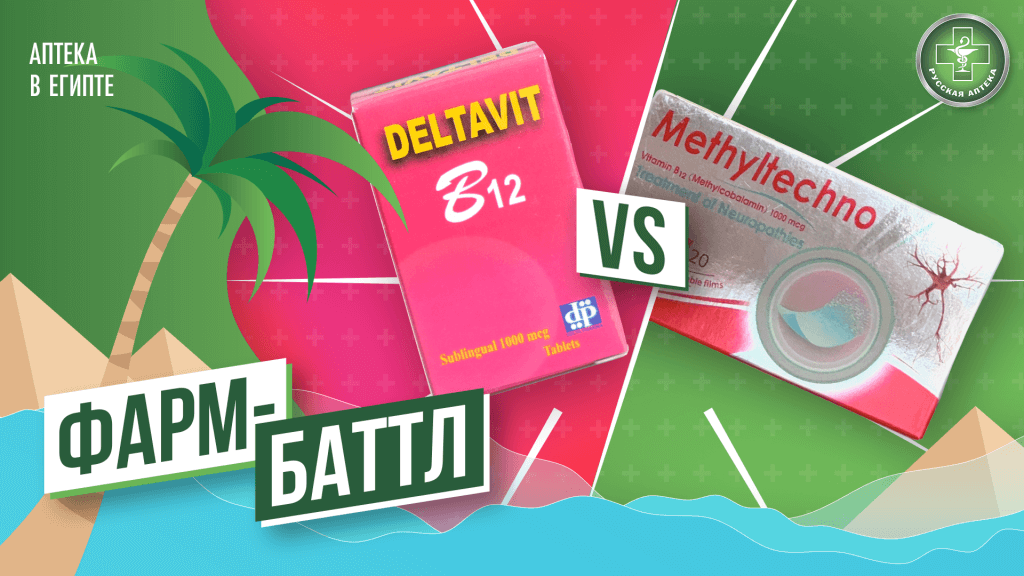
Deltavit B12 1000 mcg 30 sublingual tablets
Structure:
Each sublingual tablet contains:
Cyanocobalamin – 1000 mcg.
Auxiliary components: microcrystalline cellulose, aspartame, magnesium stearate, croscarmellose sodium, talc, citric acid, sodium bicarbonate, colloidal silicon dioxide, Povidone K30.
Properties:
Vitamin B12 is essential for humans and is active mainly in two important enzyme systems. It is essential for the normal metabolism of fatty acids and for normal cell division. Lack of methylcobalamin is also thought to be the cause of damage to the myelin sheath, which runs around the nerve fibers of the central or peripheral nervous system, with Vit B12 deficiency. A disruption in this system results in abnormal DNA metabolism with symptoms in rapidly dividing organs such as bone marrow and mucous membranes. It has been experimentally shown that there are no methylating neurological damage.
Indications:
hematological, neurological and other symptoms as a result of vitamin B12 deficiency. Impaired absorption of vitamin B 12 due to lack of intrinsic factor (pernicious anemia), ventricular resection or diseases of the small intestine. In the case of aminosaline therapy, which can cause impaired B12 resorption.
Mode of application:
1 tablet should be placed under the tongue until completely dissolved 1 time per day between meals, or as directed by a doctor.
Contraindications:
hypersensitivity to the active substance or to any of the excipients.
Side effects:
Immune system: rarely – anaphylaxis, fever. Skin: rarely – urticaria, rash, rash, allergic reactions, including skin reactions and angioedema.
Pregnancy and lactation:
there are no known risks when using the drug during pregnancy. Cyanocobalamin passes into breast milk, but at therapeutic doses it does not have any effect on breastfed newborns / infants. Consult your doctor.
Drug interactions:
absorption of vitamin B12 from the gastrointestinal tract can be reduced by aminoglycose, aminosalicylic acid, antiepileptic drugs, biguanides, chloramphenicol, cholestyramine, potassium inhibitors, methyldopa, and gastric acid (eg, omeprazole and cimetidine). The clinical relevance of many of these interactions is likely to be small.
Storage:
Store at room temperature, out of reach of children.
Packaging:
the cardboard box contains a plastic container containing 30 sublingual tablets and paper instructions.
 Русский
 English
 عربي
عربي