 Русский
 English
 عربي
عربي



КАК ПРАВИЛЬНО ПРОВОДИТЬ ПРОФИЛАКТИКУ ТРОМБОВ И БЛЯШЕК?
Бляшки и тромбы – это не одно и то же. Чем они отличаются, какую опасность представляют и как избежать их появления? Об этом расскажем в статье.
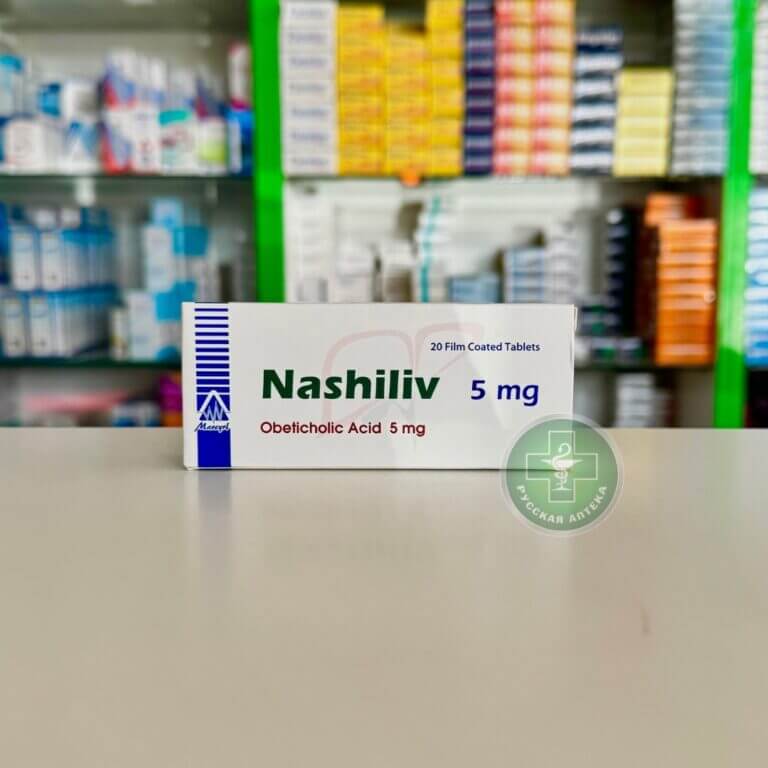
Form of Release: Tablets
Product Brand:
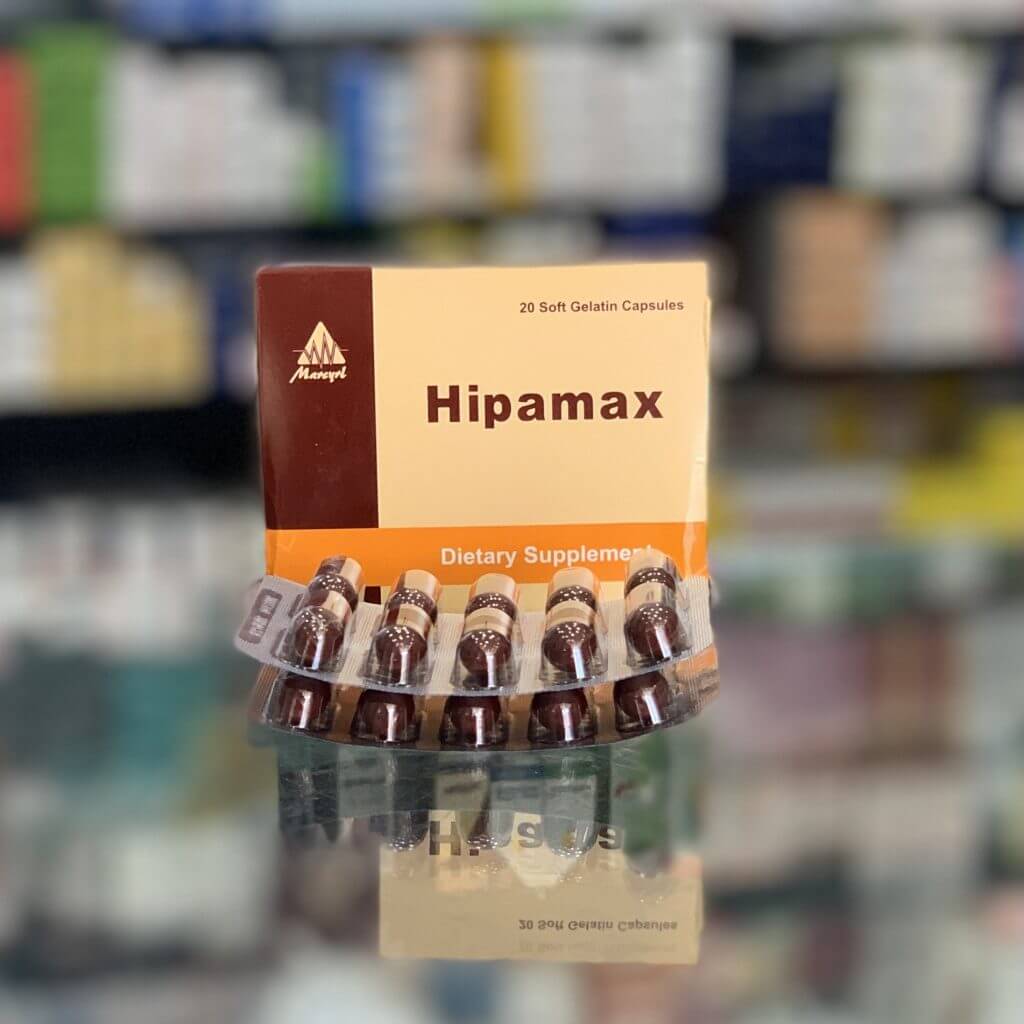
Marcyrl Pharmaceutical Industries
About the brand
Product Categories: Liver health


obeticholic acid 5 mg
Coated tablets containing opticolic acid 5 mg are used in the treatment of primary biliary tract infections.
Obeticholic acid is a medicine used to treat certain conditions of primary biliary cholangitis.
The mechanism of action of the drug opticulic acid:
Opticolic acid is classified as a catalyst or agonist of bile acid receptors .
The stimulation of bile acid receptors resulting from the use of opticoleic acid inhibits the production of bile acid in liver cells, in addition to increasing the transport of bile acid from liver cells, which contributes to reducing the exposure of liver cells to bile acid.
To treat liver diseases including primary biliary cholangitis.
Obeticholic acid is indicated for the treatment of primary biliary cholangitis in combination with ursodeoxycholic acid (UDCA) in adults with an inadequate response to UDCA. It is also used as a monotherapy in adults with PBC that are unable to tolerate UDCA.
The dose of this medicine will be different for different patients. Follow your doctor’s orders or the directions on the label.
For treatment of primary biliary cholangitis:
Adults—At first, 5 milligrams (mg) once a day for the first 3 months. Your doctor may adjust your dose as needed and tolerated. However, the dose is not more than 10 mg once a day.
Children—Use and dose must be determined by your doctor.
Initial dose: 5 mg orally once a day
Maintenance dose: 5 mg orally once a day; if adequate reduction in alkaline phosphatase (ALP) and/or total bilirubin is not achieved after 3 months, increase the dosage to 10 mg orally once a day
Maximum dose: 10 mg/day
Symptoms of anaphylactic reactions, which may manifest as a rash, urticaria, difficulty breathing, severe dizziness, or swelling of the face, lips, tongue, or throat.
Symptoms of liver problems developing or worsening, including severe itchy skin, swelling in the abdominal area or pain in the upper right part of the stomach, rapid weight gain, loss of appetite, weight loss, nausea or vomiting, lack of urination, darkened urine, or yellowing of the skin and whites of the eyes (jaundice).
The appearance of blood in the stool, coughing up blood, or vomiting that resembles ground coffee.
Changes in state of mind, confusion, drowsiness or abnormal fatigue.
The use of opticolic acid is contraindicated by the following groups:
People who are hypersensitive to the drug opticulic acid, or to one of the substances used in its manufacture.
People with complete bile duct obstruction.
It is recommended to keep opticulic acid at room temperature between (20-25)
A carton box contains 2 blisters, each 10 tablets. Total 20 tablets
Active Ingredients:
No comments yet. Be the first to write one.
Your comment will be published after moderation.
You’ll receive a notification to your email when someone replies.

Бляшки и тромбы – это не одно и то же. Чем они отличаются, какую опасность представляют и как избежать их появления? Об этом расскажем в статье.

Лецитин – это жир фосфолипидного типа, который связывает жиры и воду. Из него состоит 50% нашей печени, остальная часть входит в состав головного мозга, нервных тканей и сердечной мышцы. Чем важен лецитин и в каких препаратах он содержится? Об этом вы узнаете из статьи.

В теле взрослого человека примерно 2 л лимфатической жидкости. Она переносит в кровь полезные вещества, выводит инфекции, патогенные микроорганизмы и токсины. Лимфа движется только вверх и очень медленно, за счет сокращения мышц и диафрагмы.
Our hotline
+2 (010) 202-22-271
Email for contact
[email protected]
Our pharmacies are in
Wide range of products
Help you choose


