Русский
 English
 عربي
عربي
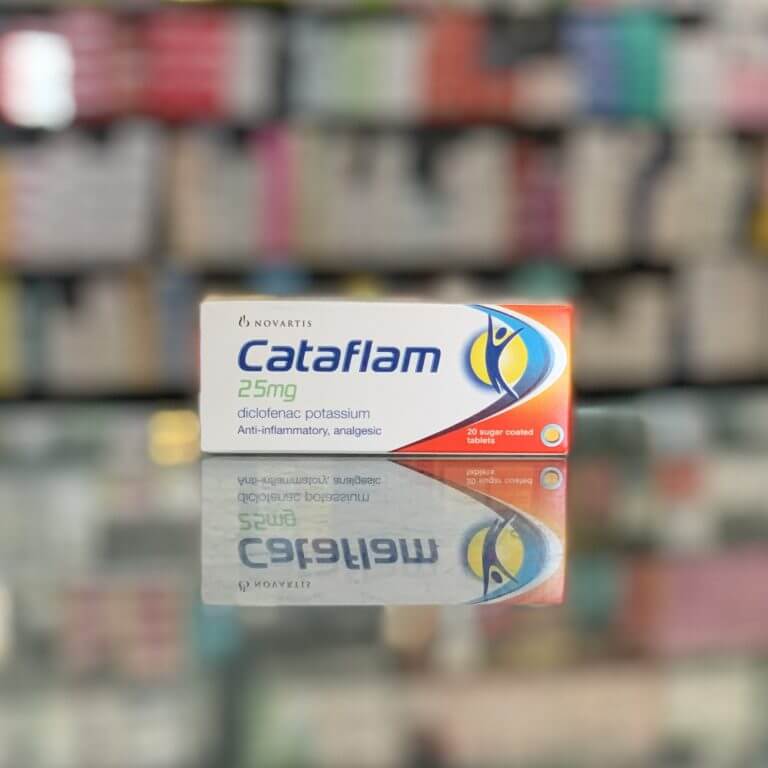
Cataflam 25 mg 20 tablets
34£
View analogs- Osteoarthritis.
- Low back pain.
- Acute musculoskeletal disorders and injuries.
- Bursitis, sprains, dislocations.
- Pain relief in fractures.
- Ankylosing spondylitis.
- Acute gout.
- Rheumatoid arthritis.
- Migraine attacks.
- Painful/inflammatory gynecological conditions (primary dysmenorrhea, adnexitis).
- Pain and inflammation control after orthopedic, dental, and minor surgeries.
- Short‑term treatment of fever associated with ENT infections (pharyngotonsillitis, otitis media).
Buy
Product quantities
Form of Release: Tablets
Product Brand:
Novartis
About the brand
Product Categories: Painkillers, anti-inflammatory • Nonsteroidal anti-inflammatory drugs


Cataflam 25 mg 20 tablets
Composition:
Each film‑coated tablet contains:
Diclofenac potassium — 25 mg.
Excipients:
magnesium stearate, povidone, colloidal anhydrous silica, sodium starch glycolate, corn starch, calcium phosphate, microcrystalline cellulose, polyethylene glycol 8000, red iron oxide, titanium dioxide, talc, sucrose.
Product Description:
Cataflam is a non‑steroidal anti‑inflammatory drug (NSAID) with pronounced anti‑rheumatic, analgesic, anti‑inflammatory, and antipyretic properties.
Indications for Use:
- Osteoarthritis.
- Low back pain.
- Acute musculoskeletal disorders and injuries.
- Bursitis, sprains, dislocations.
- Pain relief in fractures.
- Ankylosing spondylitis.
- Acute gout.
- Rheumatoid arthritis.
- Migraine attacks.
- Painful/inflammatory gynecological conditions (primary dysmenorrhea, adnexitis).
- Pain and inflammation control after orthopedic, dental, and minor surgeries.
- Short‑term treatment of fever associated with ENT infections (pharyngotonsillitis, otitis media).
Method of Administration and Dosage:
- Oral use, swallow tablets whole with liquid, during or after meals.
- Recommended daily dose: 100–150 mg in 2–3 divided doses.
- Mild cases: 75–100 mg/day in 2–3 divided doses.
- Primary dysmenorrhea: 50–150 mg/day; initial dose usually 50 mg, may increase to 200 mg/day.
- Migraine: initial dose 50 mg at onset; if no relief within 2 hours, an additional 50 mg may be taken; maximum 200 mg/day.
- Adolescents ≥14 years: 75–100 mg/day in 2–3 doses; maximum 150 mg/day.
Contraindications:
- Children under 14 years
- Hypersensitivity to diclofenac, aspirin, or excipients
- Severe cardiac, hepatic, or renal insufficiency
- Bradycardia, marked hypotension
- Gastric bleeding
- Pregnancy and breastfeeding
Precautions:
- Discontinue if liver disease develops.
- Patients with cardiovascular disorders require medical supervision.
- Elderly, frail, or low‑weight patients should use minimal effective doses.
- Caution in patients with peptic ulcers, GI bleeding, liver/kidney disease, or hypertension.
- In asthma, hay fever, respiratory disorders, or nasal polyps, diclofenac may trigger asthma attacks.
Adverse Reactions / Side Effects:
- Nervous system: headache, dizziness, vertigo
- Cardiovascular: tachycardia, bradycardia, hypertension, arrhythmia, heart failure
- Gastrointestinal: abdominal pain, vomiting, cramps, flatulence, nausea, diarrhea, dyspepsia
- Other: fluid retention, edema, rash, angioedema
Pregnancy and Lactation:
Contraindicated.
Storage Conditions:
Keep out of reach of children.
Packaging:
Carton box containing 2 blisters of 10 tablets each, with leaflet.
Tags, Keywords:
Active Ingredients:
No comments yet. Be the first to write one.
Your comment will be published after moderation.
You’ll receive a notification to your email when someone replies.