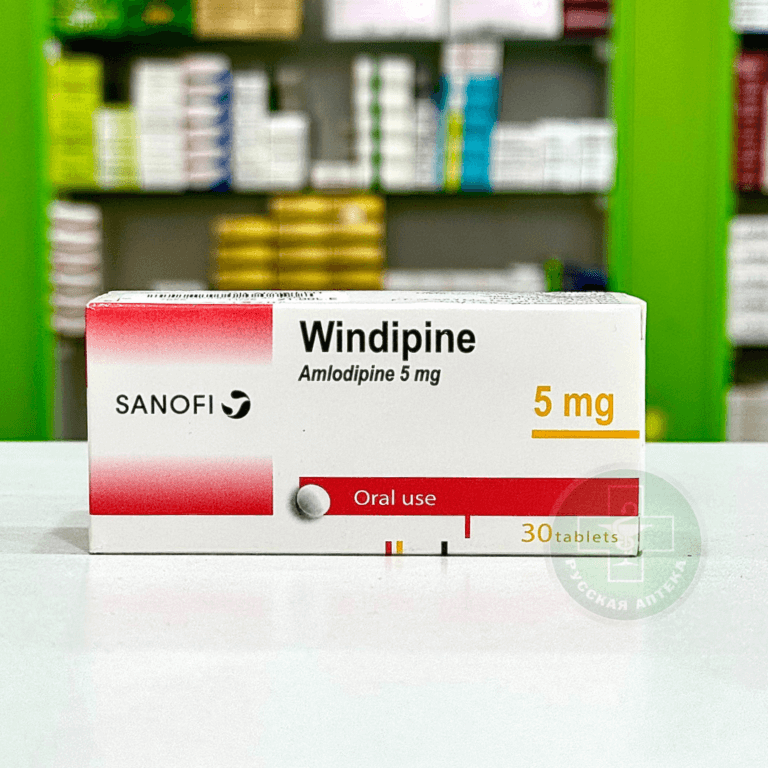
Windipine 5 mg 30 tablets
Structure:
Each tablet contains:
Amlodipine besylate – 5mg (equivalent of Amlodipine).
Auxiliary components: microcrystalline cellulose, anhydrous calcium hydrogen phosphate, magnesium stearate, Crospovidone, Povidone K30.
Properties:
Vindipine is the besylate salt of amlodipine, a long-acting calcium channel blocker.
Indications:
hypertension, chronic stable angina pectoris, vasospastic angina pectoris.
Mode of application:
Adults: The usual starting dose is 5 mg once a day, which can be increased to a maximum dose of 10 mg depending on the patient’s response. For angina pectoris, Vindipine can be used alone or in combination with other antianginal agents in patients with angina pectoris who are refractory to nitrates and / adequate doses of beta-blockers.
hypersensitivity to dihydropyridine derivatives, amlodipine or other substances in the composition; severe hypotension; shock (including cardiogenic shock). Severe aortic stenosis. Unstable heart failure after acute myocardial infarction.
Precautions:
the safety and effectiveness of amlodipine in hypertensive crisis have not been established. Patients with heart failure and congestive heart failure should be treated with caution as they may increase the risk of cardiovascular complications and future mortality. Patients with hepatic impairment: Give slowly to patients with severe hepatic impairment. In the elderly, dose increases should be carried out with caution. In patients with renal insufficiency, amlodipine can be used in usual doses.
Side effects:
occurred in less than 1% of the subjects. Central and peripheral nervous system, gastrointestinal tract: constipation, diarrhea flatulence, pancreatitis. General: allergic reaction, back pain, hot flashes, malaise,
irritability. Musculoskeletal system: arthrosis, muscle spasms. Psychiatry: sexual dysfunction (male and female), insomnia, nervousness, depression. Respiratory system: shortness of breath, epistaxis. Skin: itching, rash. Possible visual impairment, conjunctivitis, eye pain, tinnitus. Dry mouth, increased sweating. Metabolic and nutritional: hyperglycemia, thirst. Hematopoiesis: leukopenia, thrombocytopenia.
Pregnancy and lactation:
the safety of amlodipine during pregnancy has not been established. Amlodipine should be used during pregnancy only if the potential benefit justifies the potential risk to the mother and fetus. It is not known that Amlodipine is excreted in human milk. Therefore, it is recommended to stop breastfeeding while using the drug.
Storage:
Store at a temperature not exceeding 30C in a dry place out of the reach of children.
Packaging:
the cardboard box consists of 3 blisters of 10 tablets each and paper instructions.
 Русский
 English
 عربي
عربي