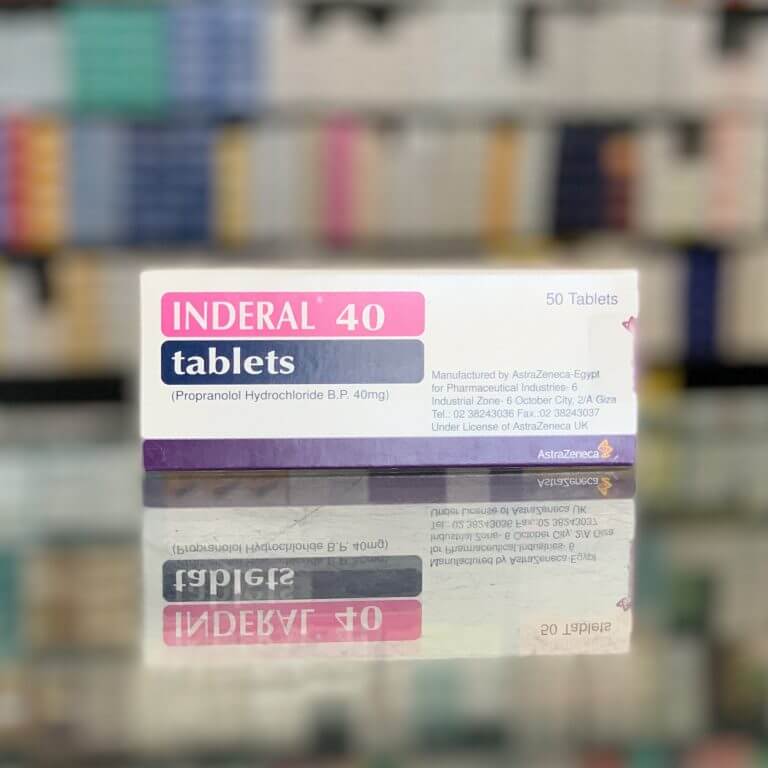
Inderal 40 mg 50 tablets
Composition:
Each tablet contains:
Propranolol hydrochloride 40 mg.
Product Description:
Inderal is a non‑selective beta‑adrenergic blocker with antihypertensive, antianginal, and antiarrhythmic effects.
By blocking β‑adrenergic receptors, it reduces cAMP formation, decreases calcium influx into cells, and exerts negative chronotropic, dromotropic, bathmotropic, and inotropic effects.
Indications for Use:
- Arterial hypertension;
- Angina pectoris;
- Sinus tachycardia (including hyperthyroidism);
- Supraventricular tachycardia;
- Tachysystolic atrial fibrillation;
- Supraventricular and ventricular extrasystole;
- Hypertrophic cardiomyopathy;
- Myocardial infarction;
- Mitral valve prolapse;
- Subaortic stenosis;
- Sympathoadrenal crisis;
- Neurocirculatory dystonia;
- Portal hypertension;
- Essential tremor;
- Panic attacks and aggressive behavior;
- Migraine prophylaxis;
- Adjunctive therapy in pheochromocytoma (with alpha‑blockers);
- Thyrotoxicosis and thyrotoxic crisis;
- Primary weakness of labor activity;
- Menopausal vasomotor symptoms;
- Withdrawal syndrome;
- Treatment of akathisia induced by neuroleptics.
Method of Administration and Dosage:
Adults, oral: initial dose 20 mg.
Single dose: 40–80 mg.
Frequency: 2–3 times daily.
Contraindications:
- AV block II–III degree
- Sinoatrial block
- Marked bradycardia (< 50 bpm)
- Arterial hypotension
- Decompensated heart failure
- Acute myocardial infarction (systolic BP < 100 mmHg)
- Cardiogenic shock
- Pulmonary edema
- Sick sinus syndrome
- Prinzmetal’s angina
- Cardiomegaly (without signs of heart failure)
- Severe peripheral vascular disorders
- Metabolic acidosis
- Pheochromocytoma (without alpha‑blockers)
- Bronchial asthma
- Chronic obstructive pulmonary disease
- Tendency to bronchospasm
- Concomitant use with antipsychotics
- Concomitant use with anxiolytics
- Concomitant use with MAO inhibitors
Precautions:
- Use with caution in patients with asthma, COPD, bronchitis, decompensated heart failure, diabetes mellitus, renal/hepatic impairment, hyperthyroidism, depression, myasthenia, psoriasis, occlusive peripheral vascular disease, pregnancy, lactation, elderly patients, and children (efficacy not established).
- In neonates and infants: caution in cardiovascular disease, heart failure, diabetes, respiratory disorders, psoriasis, RNASE syndrome, hyperkalemia, allergic history.
- May exacerbate psoriasis.
- In pheochromocytoma, propranolol should only be used after alpha‑blocker administration.
- Discontinue gradually under medical supervision after prolonged use.
Adverse Effects:
- Nervous system: fatigue, weakness, dizziness, headache.
- Sensory organs: dry eyes, discomfort.
- Cardiovascular: sinus bradycardia, AV block.
- Gastrointestinal: nausea, vomiting, epigastric discomfort, constipation or diarrhea.
- Respiratory: nasal congestion, bronchospasm.
- Endocrine: hypo‑ or hyperglycemia.
- Hematopoietic: thrombocytopenia, leukopenia.
- Dermatologic: sweating, psoriasis‑like reactions, exacerbation of psoriasis.
- Allergic: itching, rash, urticaria.
Pregnancy and Lactation:
Use with caution, only under medical supervision.
Storage Conditions:
Store at temperatures not exceeding 30 °C.
Protect from moisture and light.
Keep out of reach of children.
Packaging:
Carton box containing 5 blisters of 10 tablets each, with paper insert.
 Русский
 English
 عربي
عربي