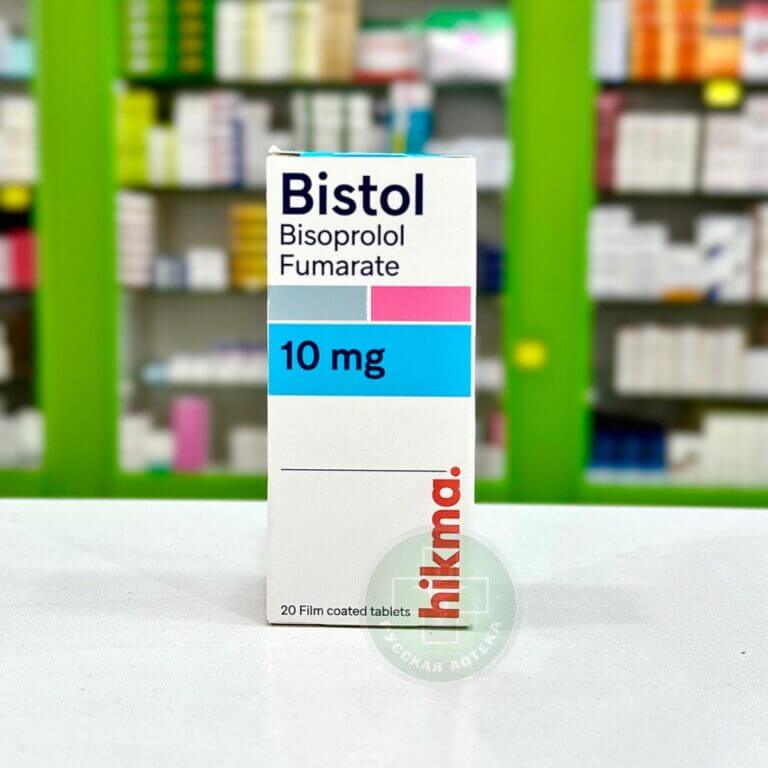
Bistol 10 mg 20 tablets
Composition:
Bisoprolol Fumarate 10 mg
Description:
Bisoprolol is a beta-blocker that affects the heart and circulation (blood flow through arteries and veins). Bisoprolol is used to treat hypertension.Bisoprolol is used with or without other medications to treat high blood pressure (hypertension). Lowering high blood pressure helps prevent strokes, heart attacks, and kidney problems.
Properties:
Bistol Tablets belong to a group of medicines called beta-blockers. It is used to treat high blood pressure (hypertension), angina (heart-related chest pain), irregular heart rhythms (arrhythmia). It also helps to prevent future heart attacks.
Indication of Use:
It may be prescribed alone or together with other medications. The dose and frequency depend on what you are taking it for and the severity of your condition. It may be taken empty stomach or with a meal, but take it regularly at the same time each day to get the most benefit. It may take several weeks before you get the full benefit of this medicine and you may need to take it for the rest of your life. However, it is important to continue taking it even if you feel well. Most people with high blood pressure do not feel ill and if you stop taking it, your condition may worsen.
Side Effects:
The main side effects of this medicine are fatigue, headache, slow heart rate, dizziness, and nausea. These are usually mild and short-lived. It may also cause shortness of breath or low blood pressure in some people.
Digestive system: diarrhea
Nervousness: headache
Respiratory: rhinitis
upper respiratory infection
Other: Fatigue
To reduce the risk of side effects your doctor will probably start the medicine at a low dose and gradually increase it. Consult your doctor if the side effects bother you or do not go away.
Warning:
Before taking it, let your doctor know if you have any liver problems.
It may also not be suitable for people who have a slow heart rate, severe circulation problems, severe heart failure, or low blood pressure.
Pregnant or breastfeeding mothers should also consult their doctor before taking it.
You should have your blood pressure checked regularly to make sure that this medicine is working properly.
Avoid drinking alcohol as it may increase certain side effects.
Abrupt cessation of medication may worsen angina, or cause myocardial infarction or irregular heartbeat, so the dose should be gradually reduced
Dosage:
A starting dose of 2.5 mg once daily may be appropriate in some patients such as those with bronchospasm who require treatment with beta-blockers. May increase to 10 mg and then to 20 mg once daily if necessary to achieve an adequate response.
- Adult Chronic angina pectoris 5-20 mg once daily orally
- Congestive heart failure Initial dose, 1.25 mg orally once daily and maximum dose 10 mg daily once.
- Hypertension Initial dose, 5 mg orally once daily.
General dosage information:
The safety and efficacy of the drug in children have not been proven.
Precautions:
Diabetes: may mask symptoms associated with hypoglycemia, especially tachycardia.
Hepatic impairment and hepatitis or cirrhosis: reduce the initial dose and use caution
Major surgery and anesthesia: increased risk due to impaired heart reflex function However, it is not recommended to stop chronic treatment before surgery.
Peripheral vascular disease: may worsen symptoms
Renal insufficiency: if the purity of creatinine is less than 40 ml / min: the initial dose should be reduced.
Thyrotoxicosis: may mask the clinical symptoms of hyperthyroidism, such as tachycardia.
Abrupt cessation may worsen hyperthyroidism.
Pregnancy:
Use only if the desired benefit justifies the potential risk of the drug to the fetus
Breastfeeding:
Infant mortality cannot be ruled out
Storage:
Store in a dry place
Keep away of reach of children
Package:
A carton box contains blisters (20 tablets)
 Русский
 English
 عربي
عربي