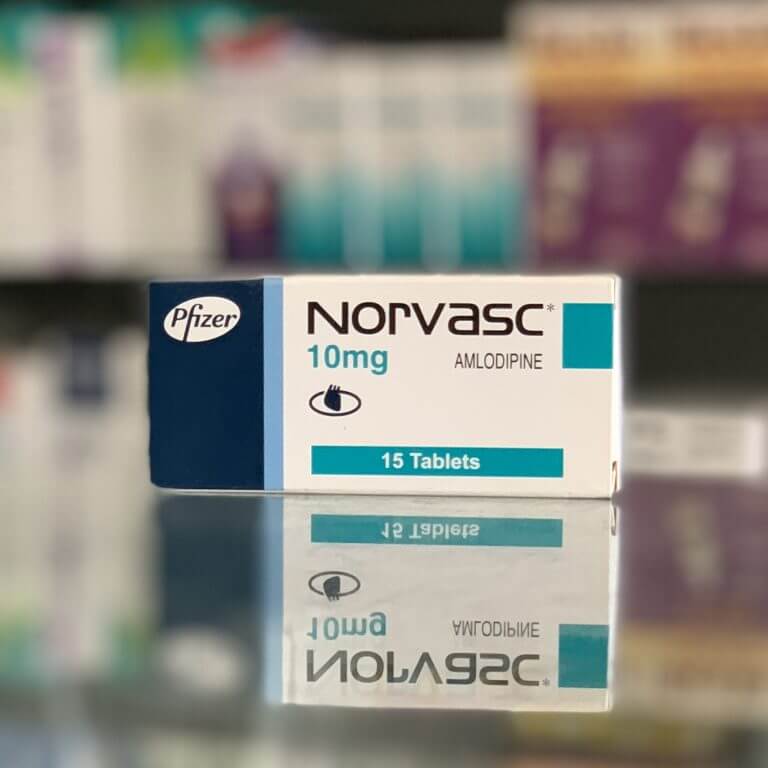
Norvasc 10 mg 15 tablets
Composition:
Each tablet contains:
Amlodipine 10 mg
Properties:
A second generation slow calcium channel blocker (BMCC), a dihydropyridine derivative. It has antianginal and hypotensive effects. By binding to dihydropyridine receptors, it blocks calcium channels, reduces the transmembrane transition of calcium ions into the cell (to a greater extent in vascular smooth muscle cells than in cardiomyocytes).
Indications:
– arterial hypertension (as monotherapy or in combination with other antihypertensive drugs);
– stable exertional angina and Prinzmetal angina (as monotherapy or in combination with other antianginal drugs).
Method of administration and dosage:
The drug is taken orally, regardless of food intake.
For the treatment of arterial hypertension and the prevention of attacks of exertional angina and vasospastic angina, the initial dose is 5 mg 1 time / day. If necessary, the daily dose can be increased to a maximum of 10 mg (1 time / day).
Contraindications:
– severe arterial hypotension (systolic blood pressure less than 90 mm Hg);
-collapse;
-cardiogenic shock;
– unstable angina (except for Prinzmetal’s angina);
– Severe aortic stenosis;
– lactose intolerance, lactase deficiency or glucose / galactose malabsorption syndrome;
-pregnancy;
– lactation period;
– age up to 18 years (efficacy and safety have not been established);
– hypersensitivity to amlodipine, other components of the drug or other dihydropyridine derivatives.
Precautionary measures:
During the period of treatment with Norvasc, it is necessary to control the patient’s body weight and the amount of sodium chloride consumed; prescribe an appropriate diet with limited salt intake.
Maintaining dental hygiene and regular visits to the dentist is necessary (to prevent soreness, bleeding and gingival hyperplasia).
The dosage regimen of Norvasc in elderly patients is similar to that in patients of other age groups. When the dose is increased, careful monitoring of elderly patients is necessary.
Despite the absence of a withdrawal syndrome in BMCC, a gradual dose reduction is recommended before discontinuing treatment.
Side effects:
From the side of the cardiovascular system: often – a feeling of palpitations, peripheral edema (swelling of the ankles and feet).
From the side of the central nervous system: often – headache, dizziness, fatigue.
From the digestive system: often – nausea, abdominal pain.
From the urinary system: infrequently – pollakiuria, painful urge to urinate, nocturia; very rarely – dysuria, polyuria.
Storage method:
Store at a temperature not exceeding 30 degrees.
Package:
The cardboard box contains 3 blisters of 5 tablets, paper instructions.
 Русский
 English
 عربي
عربي