Русский
 English
 عربي
عربي
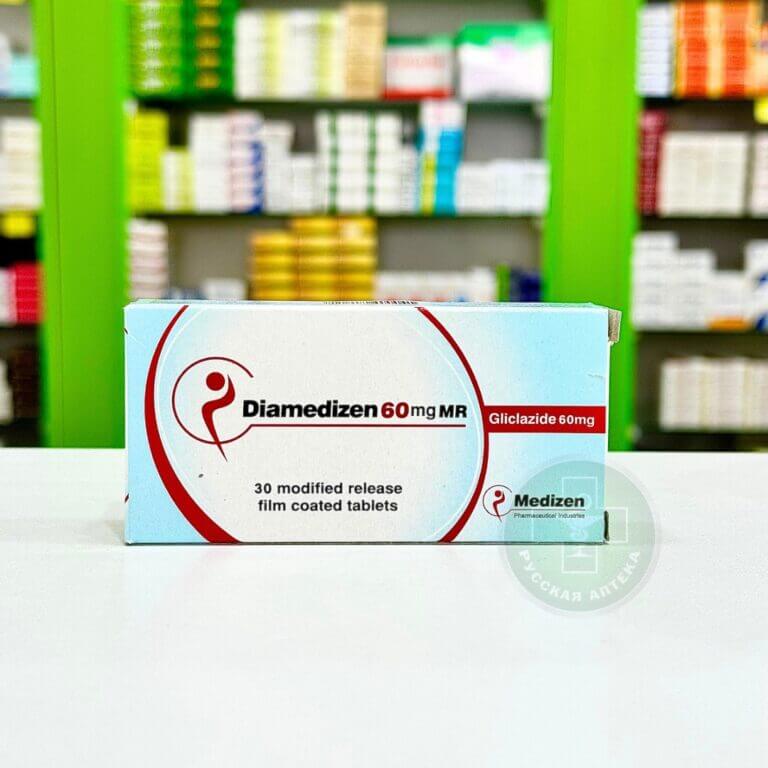
Diamedizen MR 60 mg 30 tablets
72£
View analogs- Type 2 diabetes mellitus with insufficient effectiveness of diet therapy, physical activity and weight loss.
- Prevention of complications of type 2 diabetes mellitus: reducing the risk of microvascular (nephropathy, retinopathy) and macrovascular complications (myocardial infarction, stroke).
Buy
Product quantities
Form of Release: Tablets
Product Brand:
Medizen Pharmaceutical
About the brand
Product Categories: Diabetes


Diamedizen MR 60 mg 30 tablets
Compound:
Each tablet contains:
Gliclazide 60 mg
Auxiliary components:
Methocel K 15M, lactose monohydrate, PVP K30, Aerosil 200, magnesium stearate.
Description:
Gliclazide is an oral medication for the treatment of type II diabetes. Glycolazide belongs to the group of sulfonylurea drugs.
Glicalazide lowers blood sugar by stimulating the pancreatic beta cells responsible for producing insulin, and gliclazide improves insulin production immediately after a meal, and insulin plays a role in lowering blood sugar in response to food, as it does in humans without diabetes.
Gliclazide also affects blood vessels by preventing platelet aggregation and increasing the breakdown of blood clots within blood vessels, which helps prevent long-term complications of diabetes.
Properties:
Oral hypoglycemic agent, sulfonylurea derivative of the second generation. Stimulates the secretion of insulin by pancreatic cells. Increases the sensitivity of peripheral tissues to insulin. Apparently, it stimulates the activity of intracellular enzymes (in particular, muscle glycogen synthetase). Reduces the time interval from the moment of food intake to the onset of insulin secretion. Restores the early peak of insulin secretion, reduces the postprandial peak of hyperglycemia.
Gliclazide reduces platelet adhesion and aggregation, slows down the development of mural thrombus, and increases vascular fibrinolytic activity. Normalizes vascular permeability. It has anti-atherogenic properties: it lowers the concentration of total cholesterol (C) and LDL-C in the blood, increases the concentration of HDL-C, and also reduces the number of free radicals. Prevents the development of microthrombosis and atherosclerosis. Improves microcirculation. Reduces the sensitivity of blood vessels to adrenaline.
In diabetic nephropathy, with long-term use of gliclazide, a significant decrease in proteinuria is observed.
Indications:
Type 2 diabetes mellitus with insufficient effectiveness of diet therapy, physical activity and weight loss.
Prevention of complications of type 2 diabetes mellitus: reducing the risk of microvascular (nephropathy, retinopathy) and macrovascular complications (myocardial infarction, stroke).
Directions for use and dosage:
The optimal dosage regimen is determined by the doctor. The compliance of the dosage form of a particular drug with the indications for use and dosage regimen should be strictly observed.
The average daily dose varies from 30 to 120 mg; it is recommended to take it during breakfast. It is recommended to take at the same time. Dosing is individual depending on glycemia on an empty stomach and 2 hours after meals, as well as on the clinical manifestations of the disease.
Contraindications:
Diabetes mellitus type 1 (insulin dependent),
ketoacidosis,
diabetic precoma and coma,
severe renal and/or liver failure; pregnancy, breastfeeding period;
children and adolescents up to 18 years of age;
hypersensitivity to sulfonylurea derivatives and sulfonamides.
Simultaneous use of gliclazide and imidazole derivatives (including miconazole).
Precautionary measures:
Gliclazide is used for the treatment of non-insulin-dependent diabetes mellitus in combination with a low-calorie, low-carbohydrate diet.
During treatment, you should regularly monitor fasting and postprandial blood glucose levels and daily fluctuations in glucose levels.
When gliclazide is used concomitantly with verapamil, regular monitoring of blood glucose levels is necessary; with acarbose – careful monitoring and correction of the dosage regimen of hypoglycemic agents is required.
The simultaneous use of gliclazide and cimetidine is not recommended.
Side effects:
From the digestive system: rarely – anorexia, nausea, vomiting, diarrhea, epigastric pain.
From the hematopoietic system: in some cases – thrombocytopenia, agranulocytosis or leukopenia, anemia (usually reversible).
From the endocrine system: in case of overdose – hypoglycemia.
Allergic reactions: skin rash, itching.
Storage conditions:
In a cool, dry place at a temperature not exceeding 30 degrees.
Package:
The cardboard box contains 3 blisters of 10 tablets, paper instructions.
Tags, Keywords:
Active Ingredients:
No comments yet. Be the first to write one.
Your comment will be published after moderation.
You’ll receive a notification to your email when someone replies.