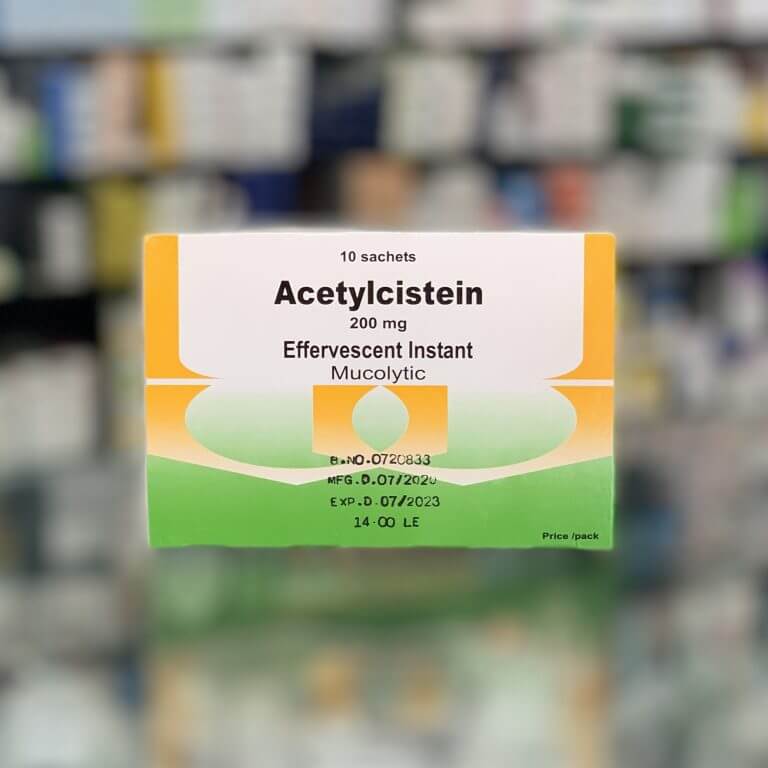
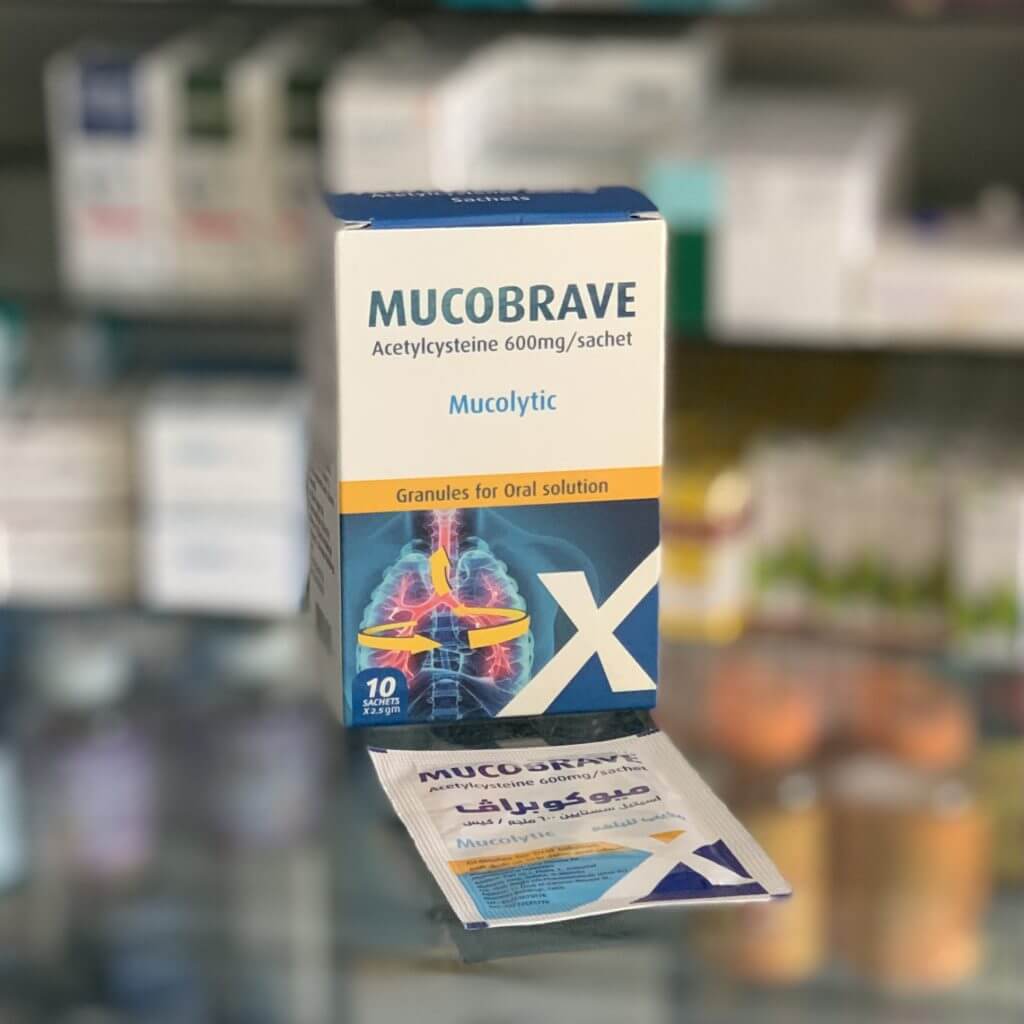
Acetylcistein 200 mg 10 sachets
Compound:
Each sachet contains:
Acetylcysteine 200 mg
Auxiliary components:
ascorbic acid, sorbitol (sorbitol), lemon flavor (food flavor “Lemon”), aspartame.
Properties:
Mucolytic agent, is a derivative of the amino acid cysteine. It has a mucolytic effect, increases the volume of sputum, facilitates its discharge due to a direct effect on the rheological properties of sputum. The action of acetylcysteine is associated with the ability of its sulfhydryl groups to break intra- and intermolecular disulfide bonds of sputum acid mucopolysaccharides, which leads to depolarization of mucoproteins and a decrease in sputum viscosity.
Reduces induced hyperplasia of mucoid cells, enhances the production of surface-active compounds by stimulating type II pneumocytes, stimulates mucociliary activity, which leads to improved mucociliary clearance.
It remains active in the presence of purulent, mucopurulent and mucous sputum.
Increases the secretion of less viscous sialomucins by goblet cells, reduces the adhesion of bacteria to the epithelial cells of the bronchial mucosa. Stimulates the mucous cells of the bronchi, the secret of which lyses fibrin. It has a similar effect on the secret formed in inflammatory diseases of the upper respiratory tract.
Indications:
Mucolytic agent for the treatment of acute and chronic diseases of the respiratory tract, accompanied by excessive sputum formation (as part of complex therapy):
– acute and chronic bronchitis;
-laryngitis;
-sinusitis;
-tracheitis;
-flu;
-bronchial asthma;
– cystic fibrosis (as an additional therapy).
Dosage and administration:
inside. The granulated powder is dissolved in 1/3 cup of water.
Standard dosage for acute diseases:
Children from 2 to 7 years: 100 mg 3 times a day.
Children over 7 years old: 200 mg 3 times a day
Children over 12 years of age and adults: 200-400 mg 3 times a day or 600 mg 1 time per day.
Special dosing regimens:
Long-term treatment (only as prescribed by a physician): 400-600 mg per day, divided into one or more doses, the maximum duration of treatment is 3 to 6 months.
In case of excessive secretion and consequent persistent cough after 2 weeks of treatment, the diagnosis should be reassessed to rule out, for example, a possible malignant disease of the respiratory tract.
Contraindications:
Peptic ulcer of the stomach and duodenum in the acute phase, hemoptysis, pulmonary bleeding, lactation (breastfeeding), children under 7 years of age, hypersensitivity to acetylcysteine.
Precautionary measures:
Use with caution in the following diseases and conditions: peptic ulcer of the stomach and duodenum in history; bronchial asthma, liver and / or kidney failure; histamine intolerance (long-term use should be avoided, as acetylcysteine affects histamine metabolism and may lead to signs of intolerance such as headache, vasomotor rhinitis, itching); varicose veins of the esophagus; diseases of the adrenal glands; arterial hypertension.
When using acetylcysteine in patients with bronchial asthma, it is necessary to ensure sputum drainage.
Between taking acetylcysteine and antibiotics, a 1-2 hour interval should be observed.
Side effects:
Allergic reactions: urticaria, rash, itching, angioedema, anaphylactic reactions, swelling of the face.
From the nervous system: headache.
On the part of the organ of hearing and balance: tinnitus.
From the cardiovascular system: tachycardia, lowering blood pressure, bleeding
From the respiratory system: bronchospasm, dyspnea.
From the digestive system: vomiting, diarrhea, stomatitis, abdominal pain, nausea, dyspepsia.
General reactions: pyrexia.
Storage method:
At a temperature not higher than 30 degrees. In a dry place.
Package:
The carton contains 10 sachets.
 Русский
 English
 عربي
عربي