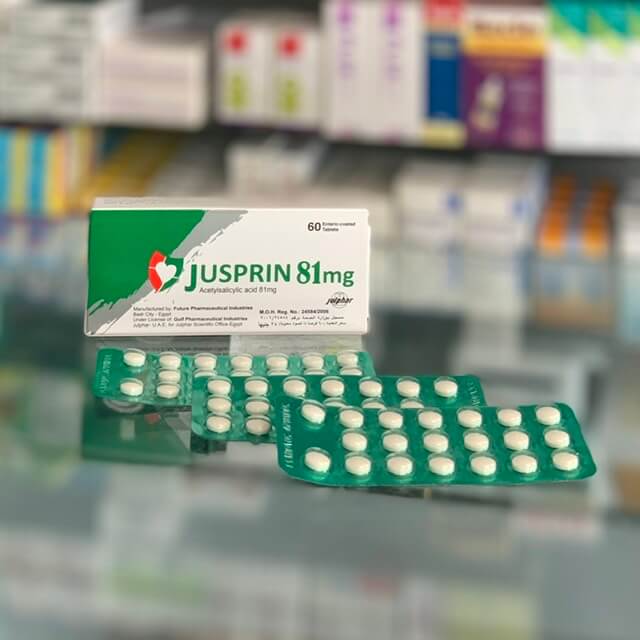
Jusprin 81 mg 60 tablets
Compound:
Acetylsalicylic acid 81 mg
Auxiliary components:
Cellulose, starch, stearic acid, aerosil, talc, isopropyl alcohol.
Properties:
NSAlDs. It has anti-inflammatory, analgesic and antipyretic effects, and also inhibits platelet aggregation. The mechanism of action is associated with inhibition of the activity of COX, the main enzyme of the metabolism of arachidonic acid, which is a precursor of prostaglandins, which play a major role in the pathogenesis of inflammation, pain and fever. A decrease in the content of prostaglandins (mainly El) in the center of thermoregulation leads to a decrease in body temperature due to vasodilation of the skin and an increase in sweating. The analgesic effect is due to both central and peripheral effects. Reduces platelet aggregation, adhesion and thrombus formation by suppressing the synthesis of thromboxane A2 in platelets.
Reduces mortality and the risk of developing myocardial infarction in unstable angina
pectoris. It is effective in the primary prevention of cardiovascular diseases and in the secondary prevention of myocardial infarction. In a daily dose of 6 g or more, it suppresses the synthesis of prothrombin in the liver and increases the prothrombin time.
Increases the fibrinolytic activity of plasma and reduces the concentration of vitamin Kdependent coagulation factors (Il, Vll, IX, X). Increases hemorrhagic complications during surgical procedures, increases the risk of bleeding during anticoagulant therapy.
Stimulates the excretion of uric acid (disrupts its reabsorption in the renal tubules), but in high doses. Blockade of COX-I in the gastric mucosa leads to inhibition of gastroprotective prostaglandins,
Indications:
Rheumatism, rheumatoid arthritis, infectiousallergic myocarditis; fever with infectious and inflammatory diseases; pain syndrome of weak and moderate intensity of various origins (including neuralgia, myalgia, headache); prevention of thrombosis and embolism; primary and secondary prevention of myocardial infarction; prevention of cerebra circulation disorders by ischemic type.
Method of administration and dosage:
Take orally with meals.
Adults and children over 16 years old:
To thin the blood, take one tablet per day.
Contraindications:
Erosive and ulcerative lesions of the gastrointestinal tract in the acute phase, gastrointestinal bleeding, “aspirin triad”, a history of indications of urticaria, rhinitis caused by the intake of acetylsalicylic acid and other NSAlDs, hemophilia, hemorrhagic diathesis, hypoprothrombinemia, dissecting portal aneurysm vitamin K deficiency, hepatic and / or renal failure, glucose-6-phosphate dehydrogenase deficiency, Reye’s syndrome, childhood (up to 15 years – the risk of developing Reye’s syndrome in children with hyperthermia against a background of viral diseases), I and Ill trimesters of pregnancy, lactation , hypersensitivity to acetylsalicylic acid and other salicylates.
Precautions:
It is used with caution in patients with liver and
kidney diseases, with bronchial asthma, erosive and ulcerative lesions and bleeding from the gastrointestinal tract in history, with increased bleeding or while carrying out anticoagulation therapy, decompensated chronic heart failure.
Acetylsalicylic acid, even in small doses, reduces the excretion of uric acid from the body, which can cause an acute attack of gout in predisposed patients. Long-term therapy and / or the use of acetylsalicylic acid in high doses requires medical supervision and regular monitoring of hemoglobin levels.
The use of acetylsalicylic acid as an antiinflammatory agent in a daily dose of 5-8 g is limited due to the high likelihood of side effects from the gastrointestinal tract.
Side effects:
From the digestive system: nausea, vomiting, anorexia, epigastric pain, diarrhea; rarely – the occurrence of erosive and ulcerative lesions, bleeding from the gastrointestinal tract, liver dysfunction.
From the side of the central nervous system: with prolonged use, dizziness, headache, reversible visual impairments, tinnitus, aseptic meningitis are possible.
From the hematopoietic system: rarely thrombocytopenia, anemia.
From the side of the blood coagulation system: rarely – hemorrhagic syndrome, prolonged bleeding time.
From the urinary system: rarely – impaired renal function; with prolonged use – acute renal failure, nephrotic syndrome.
Allergic reactions: rarely – skin rash, Quincke’s edema, bronchospasm, “aspirin triad” (combination of bronchial asthma, recurrent polyposis of the nose and paranasal sinuses, and intolerance to acetylsalicylic acid and pyrazolone drugs).
Storage method:
At a temperature not higher than 25 degrees. In a dry place
Packaging:
dboard box contains 60 tablets
 Русский
 English
 عربي
عربي